As global agriculture moves toward more sustainable and eco friendly growing practices, coir based products have become one of the most sought after natural solutions for soil improvement, hydroponics and horticulture. Derived from the fibrous husk of the coconut, coir offers exceptional water retention, aeration and biodegradability making it an ideal substitute for peat and synthetic substrates.
If you’re planning to import coir based growing media or related products for your agricultural operation, here are some key factors you should know before you begin.
1. Understand the different types of Coir Products
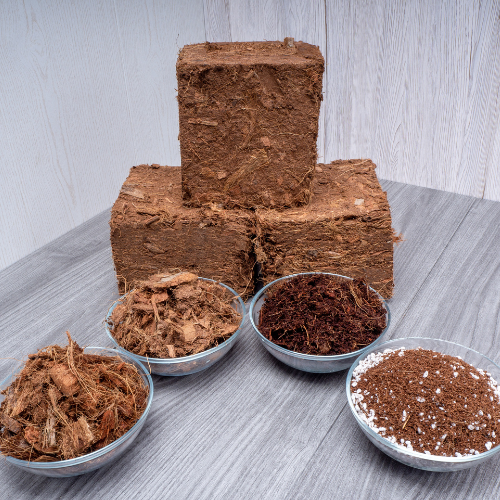
Coir is available in various processed forms, each serving a unique agricultural purpose:
- Coir Pith / Coco Peat: Commonly used in potting mixes and hydroponic systems for its moisture-holding ability.
- Coir Fibre: Ideal for erosion control mats, ropes and natural reinforcement applications.
- Grow Bags and Slabs: Prefilled and compressed for greenhouse crops such as tomatoes, cucumbers and strawberries.
- Coir Discs, Bricks and Blocks: Easy to handle and rehydrate, suitable for small scale growers or retail markets.
Selecting the right product depends on your crop type, irrigation system and environmental conditions.
2. Choose the right supplier based on Quality and Price
When selecting a coir supplier, price should never be the only deciding factor. High quality coir directly impacts crop performance, so importers should evaluate suppliers on both product consistency and processing standards.
Before placing an order, it’s important to:
Request product samples and technical data sheets to evaluate EC, pH and fibre content.
Conduct a detailed costing analysis including product price, freight, import duties and inland logistics to assess the true landed cost. This ensures that your investment balances both cost efficiency and product performance, a key factor for agricultural operations where substrate quality influences yield outcomes.
Check for quality standards and certifications before placing the order
When importing, always verify that your supplier complies with international standards. Quality assured coir should meet the right EC (electrical conductivity) and pH balance levels to ensure safe use for plants.
Look for certifications such as:
- ISO 9001 / ISO 14001 for quality and environmental management
- OMRI or Organic Certification for organic farming use
- GMP or SLS for consistent product safety and traceability
These standards ensure your coir is free from contaminants, salinity and harmful pathogens crucial for export compliance and crop safety.
3. Consider moisture and packaging specifications
Coir products must be shipped at the correct moisture content (usually below 20%) to avoid microbial growth during transit. Proper compressed packaging not only reduces shipping costs but also ensures easy storage and handling upon arrival.
Opt for suppliers who use biodegradable or recyclable materials for packaging to align with sustainability goals.
4. Review shipping, documentation and customs requirements
Importing agricultural substrates requires attention to sanitary documentation, country specific import permits and certificate of origin compliance.
Before placing large orders:
- Confirm the HS codes applicable to coir products.
- Ensure the supplier provides all required fumigation or treatment certificates.
- Work with experienced freight forwarders familiar with handling natural fibre goods to avoid clearance delays.
5. Evaluate supplier reputation and production practices
The coir industry is heavily dependent on raw material quality and processing consistency.
Partner with manufacturers who:
- Maintain traceable supply chains from certified coconut growers.
- Use eco-friendly processes such as wastewater recycling and zero waste manufacturing.
- Offer sample testing and product data sheets before full-scale shipments.
Choosing the right supplier not only guarantees performance but also builds long-term reliability for your agricultural operations.
6. Understand storage and usage conditions
After importation, coir should be stored in a dry, shaded area to maintain its integrity. When using, always rehydrate and buffer the material according to the manufacturer’s instructions. Proper handling ensures optimal plant growth and nutrient absorption.
7. Think long term: Sustainability and Circular economy
Beyond crop performance, importing coir based solutions supports a circular economy, transforming what was once a coconut waste by-product into a high value agricultural input. By choosing responsibly sourced coir, you’re contributing to reduced peat extraction, lower carbon emissions and the empowerment of coconut farming communities in producing countries like Sri Lanka and India.
Final Thoughts
Coir-based growing media represent the future of sustainable agriculture offering a renewable, high-performance alternative to traditional substrates. For importers, success lies in selecting certified suppliers, understanding product variations and ensuring compliance with international trade and agricultural standards.
Whether for commercial greenhouses, organic farming or landscape restoration, importing coir solutions can help you grow smarter, greener and more responsibly.
Looking to source premium Coir Solutions?
Partner with CoirRoots, one of Sri Lanka’s trusted coir exporters committed to providing high-quality, certified and sustainable coir-based products for agriculture and horticulture.
Whether you’re a first-time importer or a large scale buyer, you’ll experience the quality, reliability and ease of doing business that set CoirRoots and Sri Lanka apart. Our team will support you through every stage, from product selection and documentation to shipment and delivery ensuring a smooth and confident importing experience.