
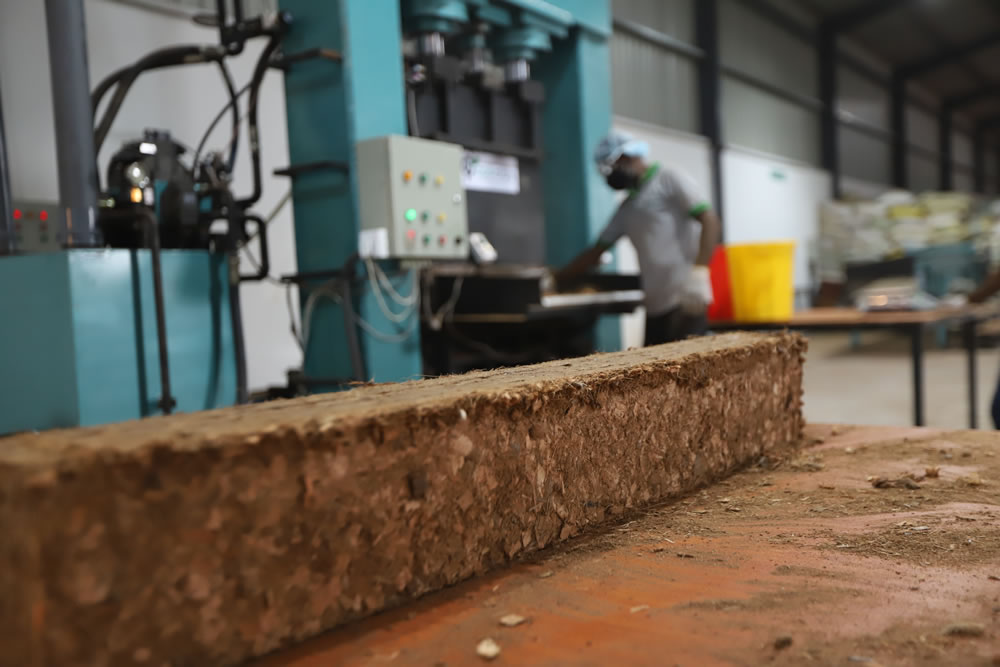
Japan’s agriculture sector is undergoing a transformation and at the heart of this change lies a growing interest in sustainable, high yield cultivation methods. One of the most promising solutions driving this transformation is cocopeat, a coir-based growing medium made from coconut husks. As environmental concerns and soil health take center stage, Japanese farmers are exploring alternatives that are both eco friendly and efficient.
What Is Cocopeat?
Cocopeat is a natural, biodegradable substrate made from the fibrous material inside coconut husks. It is widely used in greenhouse cultivation, hydroponics and container gardening due to its excellent water retention, aeration and root supporting qualities.
Why Cocopeat appeals to Japanese farmers
Space optimization: With limited arable land, Japan relies heavily on vertical farming, container cultivation and greenhouses, perfect use cases for cocopeat.
Eco-conscious market: Japanese agriculture is seeing a steady shift toward organic, sustainable methods and cocopeat is 100% renewable.
Water efficiency: Cocopeat retains moisture exceptionally well, making it suitable for regions with strict water use regulations.
Soil alternatives: Urban farming initiatives and greenhouse growers need reliable, pest free soil substitutes.
Target regions in Japan for coir based substrate adoption
These cities and prefectures are agricultural hubs in Japan.
1. Hokkaido (Sapporo)
Products: Potatoes, onions, corn, dairy
Key Trait: Large-scale mechanized farming
2. Fukuoka (Kyushu Region)
Products: Strawberries, rice, soybeans
Key Trait: Greenhouse-grown berries and vegetables
3. Kumamoto
Products: Tomatoes, watermelons
Key Trait: Advanced greenhouse setups
4. Chiba (Near Tokyo)
Products: Peanuts, carrots, daikon radish
Key Trait: Organic and urban farming for Tokyo market
5. Shizuoka
Products: Green tea, tomatoes, lettuce
Key Trait: Known for hydroponics and innovation
6. Ibaraki
Products: Cabbage, spinach
Key Trait: Japan’s top vegetable producing region
7. Tochigi
Products: Strawberries
Key Trait: Leading strawberry cultivation with greenhouse dominance
8. Nagano
Products: Apples, lettuce
Key Trait: Greenhouse and cool weather farming
CoirRoots solutions for Japanese agriculture
Cocopeat blocks & bales: Easy to expand, store and transport.
Open top grow bags: Perfect for tomatoes, peppers and strawberries.
Coir discs & plugs: Ideal for nurseries and seedling trays.
Custom substrate blends: Tailored to crop type and climate.
Shipping and trade support
CoirRoots is well-versed in export documentation, including:
Phytosanitary Certificates
Fumigation Requirements
Japanese Labeling Compliance
HS Code Classification for customs
CoirRoots also maintain eco-certifications (OMRI, ISO) and collaborate with local agri-distributors.
The shift toward sustainable farming in Japan is not just a trend, it’s the future. Cocopeat provides a safe, scalable and environmentally sound solution for growers of all sizes. Whether you’re a greenhouse farmer in Nagano or a strawberry grower in Fukuoka, CoirRoots has the substrate to support your success.
Looking to import cocopeat to Japan? Contact us to discuss your custom coir substrate needs.