
In modern Controlled Environment Agriculture (CEA), facility footprint comes at a premium. With high glasshouse capital expenditure, escalating energy costs and strict commercial contracts, large commercial growers focus heavily on crops that offer high yields per square metre.
Maximum yield density is no longer just a production metric it is the primary driver of operational profitability. To secure maximum returns on every square metre, global greenhouse operators are aligning their crop selection with high-margin, fast rotating produce designed for automated gutter systems, tight harvest cycles and year round supply agreements.
The primary vegetable categories driving demand among large scale growers include options structured for rapid turnarounds and consistent, year round pricing.
1. High value vine vegetables (Solanaceous and Cucurbit Crops)
Fruit bearing vine crops remain the highest volume category for commercial greenhouse and glasshouse operations globally.
Snack and specialty tomatoes
Large growers are shifting away from standard bulk tomatoes to high margin specialty varieties,such as cherry tomatoes, truss tomatoes and cocktail tomatoes. These varieties command higher retail prices per kilogram and excel in elevated hydroponic substrate gutters.
Mini and slicing cucumbers
Cucumbers are a staple in commercial greenhouses due to their extremely fast growth cycles and high yield density. Mini/snack cucumbers, in particular, are seeing massive demand from supermarket chains.
Bell peppers and aubergines (Eggplants)
Valued for their long harvesting seasons and high thermal resistance under glass, coloured blocky peppers (red, yellow, orange) are a core focus for large commercial facilities across Europe and North America.
2. Leafy greens and culinary herbs
Leafy greens dominate indoor farms, vertical farms and automated gutter systems due to their short crop cycles (often harvesting in as little as 20 to 30 days) and high water efficiency.
Head lettuces and baby leaf mixes
Romaine, butterhead and crisphead lettuces grown in automated NFT (Nutrient Film Technique) or floating raft systems.
High margin culinary herbs
Basil, coriander (cilantro), mint and parsley are seeing rapid demand growth from foodservice providers and retail chains due to their high profit margin per gram.
Nutrient dense greens
Spinach, kale and rocket (arugula) grown in clean, soil free environments to meet “ready to eat” supermarket standards.
3. High density soft fruits (Often categorised with veg crops)
While technically fruits, soft berries are managed under the exact same technical infrastructure and supply contracts as greenhouse vegetables.
Tabletop strawberries and bush berries
Large growers across Europe, Australia and North America are transitioning en masse from open fields to tabletop hydroponic systems. Raspberries and blackberries are increasingly grown under cover to protect delicate yields from unseasonal weather and slash manual picking labour costs.
4. Key commercial drivers shaping this demand
Retailer specifications
Supermarket chains (such as REWE, EDEKA, Walmart, and Tesco) require 365-day supply agreements with strict aesthetic and zero pesticide criteria.
Transition to soilless substrates
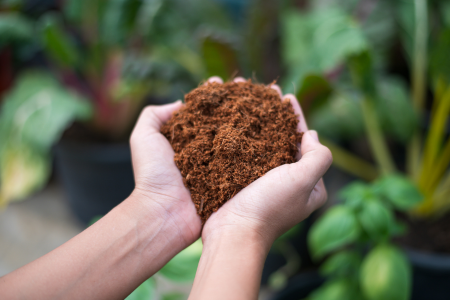
Because soil carries high pathogen risks and faces strict chemical bans, large growers are cultivating these crops almost exclusively in sterile, high porosity grow bags (such as engineered coco coir). This ensures precise nutrient delivery and avoids root zone diseases.
Labour and picking automation
Growers are prioritising crops with crop architecture suited for waist height or chest height gutters, allowing workers or automated harvesting robotics to double picking speeds compared to ground farming.
Large scale growers looking to optimise their Controlled Environment Agriculture (CEA) operations can work with CoirRoots Sri Lanka as a reliable partner for high quality coco coir growing media solutions.
With a focus on supplying professionally processed, high performance coco coir substrates, CoirRoots supports commercial growers in achieving improved root development, efficient water management and consistent crop performance across greenhouse and hydroponic systems.
By combining sustainable Sri Lankan coco coir expertise with the technical requirements of modern agriculture, CoirRoots helps growers build reliable, scalable and productive growing environments for high value crops such as tomatoes, cucumbers, peppers, leafy greens and berries.