Coco Coir by CoirRoots
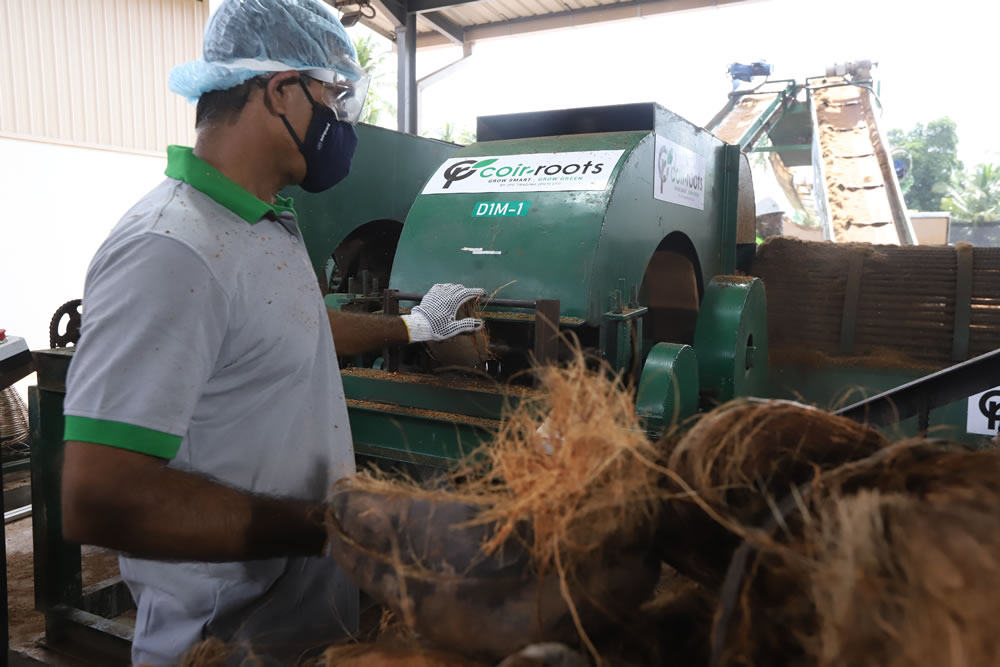
As the world shifts toward more sustainable and environmentally conscious farming, coco coir has become the preferred growing medium for growers, horticulturists, and hydroponic farms worldwide. At CoirRoots, we believe the future of agriculture lies in solutions from nature and coco coir is at the heart of that transformation. Coco coir Coco coir is the natural fibre extracted from the husk of the coconut. Once considered a waste by product, it is now valued as a renewable and biodegradable growing medium that offers exceptional water retention, aeration and root support. Processed and cleaned to international standards, coco coir comes in several forms such as coco peat, coir chips, fibre, grow bags and discs making it suitable for diverse crops and growing systems, from greenhouses to hydroponics. Why coco coir is important Sustainable alternative to peat and wool Coco coir is 100% renewable and helps reduce the use of peat, which is non renewable and carbon intensive. Choosing coir means choosing a lower carbon, planet friendly growing option. Superior water retention Coir can hold up to eight times its weight in water ensuring plants have a consistent moisture supply while allowing proper drainage and aeration the key to healthy root growth. Naturally resistant and reusable With its antifungal properties and stable structure, coco coir provides a clean, pest free medium that can often be reused across multiple growing cycles with minimal treatment. Ideal for a variety of crops From strawberries and cucumbers to ornamental plants and leafy greens, coco coir’s balanced EC and pH levels make it ideal for most commercial and domestic crops. Sri Lanka is the heart of coco coir production Sri Lanka is one of the world’s leading producers of high quality coco coir. The country’s tropical climate, skilled workforce and advanced processing standards have positioned it as a trusted global supplier for decades. When you source from Sri Lanka, you’re choosing a nation known for its consistency, purity and ethical production practices in the coir industry. Why choose CoirRoots At CoirRoots, we specialise in export-quality coco coir products made under internationally certified processes including ISO 9001, ISO 14001, GMP, OMRI and SLS. Our focus is on quality, sustainability, and client partnership ensuring every shipment meets exact specifications for moisture, EC and pH levels. Whether you’re a commercial grower, distributor or first time importer, we make the process simple and transparent from product selection and documentation to logistics and after sales support. Trusted Coco Coir Importer As a Sri Lankan exporter, CoirRoots plays a vital role in connecting sustainable materials with modern agriculture across the world. We specialise in bulk coir exports supplying compressed coir pith, grow bags, chips and fibre products to major importers and distributors in countries such as: Germany: For horticulture, greenhouse cultivation and retail garden markets. Japan: For eco friendly gardening and hydroponic farming systems. South Korea: Gor sustainable urban agriculture and commercial greenhouse sectors. Each market has distinct standards and preferences and CoirRoots ensures every shipment meets strict international quality benchmarks. Our products are tested for EC, pH, moisture and fibre content ensuring consistent performance and reliability for importers and growers alike. What can you grow with coco coir Sustainable agriculture is no longer just a choice; it’s a necessity. Around the world, growers are turning to coco coir, a natural, renewable growing medium derived from the husk of the coconut for its ability to nurture healthy, high-yield crops while protecting the planet. At CoirRoots, we produce and export premium quality coco coir products to global markets, helping farmers, distributors and horticultural businesses grow smarter and greener. Coco coir’s unique structure makes it one of the most versatile substrates in agriculture. Its high water retention, natural aeration and balanced pH provide the perfect growing environment for a wide range of crops. Fruits and and berries Strawberries, melons, and tomatoes grow exceptionally well in coir based grow bags and blocks. The medium maintains even moisture while ensuring strong root systems perfect for commercial greenhouse operations. Leafy greens and vegetables Lettuce, spinach, kale, cucumbers, peppers and beans all benefit from coco coir’s moisture balance and aeration. It allows uniform growth and reduces the risk of root diseases common in soil systems. Flowers and ornamentals Coir’s fine texture and drainage capacity make it ideal for ornamental plants and cut flowers such as roses, gerberas and chrysanthemums. Floriculture farms prefer coir for consistent bloom quality and longer vase life. Herbs and microgreens Mint, basil, parsley and microgreens thrive in coir substrates. Coir ensures rapid germination and uniform nutrient absorption, which are key for short growth cycles. Hydroponic and soilless farming Coco coir is now a global favourite for hydroponic systems. Its uniform porosity and reusability make it a cost effective and sustainable base medium for indoor and vertical farming. Grow better by partnering with CoirRoots Sri Lanka Whether you’re a commercial grower or an international distributor, CoirRoots Sri Lanka brings the best of Sri Lankan coir directly to your business. We’ll guide you through every step from selection and documentation to logistics ensuring a seamless importing experience and consistent quality that helps your crops thrive.
Importing Coir Based Solutions for Agricultural Use
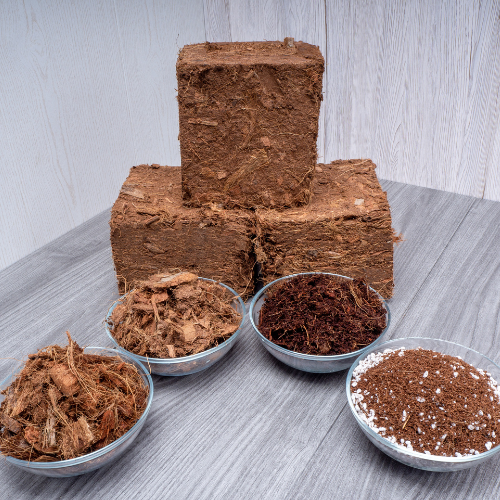
As global agriculture moves toward more sustainable and eco friendly growing practices, coir based products have become one of the most sought after natural solutions for soil improvement, hydroponics and horticulture. Derived from the fibrous husk of the coconut, coir offers exceptional water retention, aeration and biodegradability making it an ideal substitute for peat and synthetic substrates. If you’re planning to import coir based growing media or related products for your agricultural operation, here are some key factors you should know before you begin. 1. Understand the different types of Coir Products Coir is available in various processed forms, each serving a unique agricultural purpose: Selecting the right product depends on your crop type, irrigation system and environmental conditions. 2. Choose the right supplier based on Quality and Price When selecting a coir supplier, price should never be the only deciding factor. High quality coir directly impacts crop performance, so importers should evaluate suppliers on both product consistency and processing standards. Before placing an order, it’s important to: Request product samples and technical data sheets to evaluate EC, pH and fibre content. Conduct a detailed costing analysis including product price, freight, import duties and inland logistics to assess the true landed cost. This ensures that your investment balances both cost efficiency and product performance, a key factor for agricultural operations where substrate quality influences yield outcomes. Check for quality standards and certifications before placing the order When importing, always verify that your supplier complies with international standards. Quality assured coir should meet the right EC (electrical conductivity) and pH balance levels to ensure safe use for plants. Look for certifications such as: These standards ensure your coir is free from contaminants, salinity and harmful pathogens crucial for export compliance and crop safety. 3. Consider moisture and packaging specifications Coir products must be shipped at the correct moisture content (usually below 20%) to avoid microbial growth during transit. Proper compressed packaging not only reduces shipping costs but also ensures easy storage and handling upon arrival. Opt for suppliers who use biodegradable or recyclable materials for packaging to align with sustainability goals. 4. Review shipping, documentation and customs requirements Importing agricultural substrates requires attention to sanitary documentation, country specific import permits and certificate of origin compliance. Before placing large orders: 5. Evaluate supplier reputation and production practices The coir industry is heavily dependent on raw material quality and processing consistency. Partner with manufacturers who: Choosing the right supplier not only guarantees performance but also builds long-term reliability for your agricultural operations. 6. Understand storage and usage conditions After importation, coir should be stored in a dry, shaded area to maintain its integrity. When using, always rehydrate and buffer the material according to the manufacturer’s instructions. Proper handling ensures optimal plant growth and nutrient absorption. 7. Think long term: Sustainability and Circular economy Beyond crop performance, importing coir based solutions supports a circular economy, transforming what was once a coconut waste by-product into a high value agricultural input. By choosing responsibly sourced coir, you’re contributing to reduced peat extraction, lower carbon emissions and the empowerment of coconut farming communities in producing countries like Sri Lanka and India. Final Thoughts Coir-based growing media represent the future of sustainable agriculture offering a renewable, high-performance alternative to traditional substrates. For importers, success lies in selecting certified suppliers, understanding product variations and ensuring compliance with international trade and agricultural standards. Whether for commercial greenhouses, organic farming or landscape restoration, importing coir solutions can help you grow smarter, greener and more responsibly. Looking to source premium Coir Solutions? Partner with CoirRoots, one of Sri Lanka’s trusted coir exporters committed to providing high-quality, certified and sustainable coir-based products for agriculture and horticulture. Whether you’re a first-time importer or a large scale buyer, you’ll experience the quality, reliability and ease of doing business that set CoirRoots and Sri Lanka apart. Our team will support you through every stage, from product selection and documentation to shipment and delivery ensuring a smooth and confident importing experience.
Coir Substrates
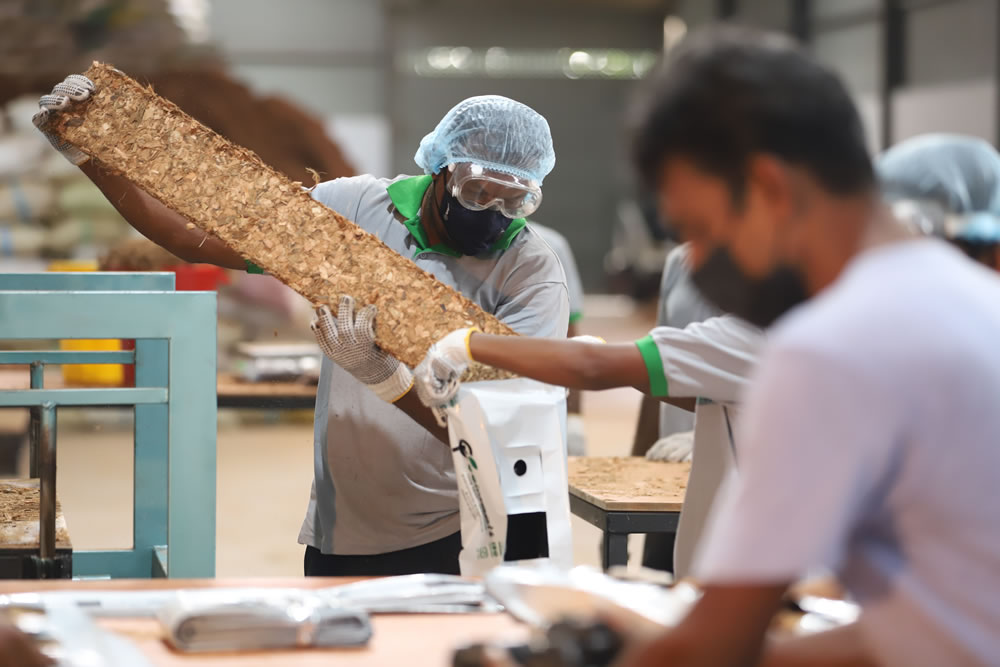
Farming is Evolving and so are the Growing Mediums Behind Every Successful Crop.As more growers turn away from traditional peat and synthetic substrates, one solution is emerging as the natural choice: coir. But what makes coir substrates the new gold standard in sustainable agriculture? Let’s dig in. In a world leaning towards sustainability and efficiency, coir substrates have emerged as one of the most sought after growing mediums in modern horticulture and hydroponics. Derived from the husk of coconuts, these substrates offer an eco-friendly alternative to peat moss and other synthetic or mined media. What is Coir Substrate? Coir substrate is a natural growing medium made from the fibrous husk of coconuts. Once considered waste, this material is now transformed into a versatile and high-performing substrate. It is processed to remove impurities, washed or buffered to reduce salt content and compacted into various forms, making it ideal for a wide range of crops. The start of Coir Substrates and the shift from Peat Historically, peat moss was the go-to medium for many growers due to its moisture-holding capabilities. However, environmental concerns including the destruction of peat bogs and slow regeneration led to the search for sustainable alternatives. This paved the way for coir substrates. Initially adopted in greenhouse farming, especially in Europe (United Kingdom, Germany, France, Poland, etc), coir’s success in yielding healthier crops and improving disease resistance caused a global shift. Today, coir is the substrate of choice across high-tech farms in Australia, Canada, South Korea, Japan, the Netherlands, USA and beyond. Coir substrates are appreciated for their: Types of Coir Substrates Depending on the crop, environment and growing method, coir substrates are available in various forms and blends: Why use Coir Substrates? Coir substrates are gaining popularity among commercial growers and hobbyists alike because they solve many problems traditional mediums face. Key Benefits: Why is Sri Lanka a global leader in Coir Substrate production? Sri Lanka, often referred to as the “Coconut Triangle,” is home to some of the world’s best coconut resources. With decades of experience in processing coconut coir, Sri Lanka has positioned itself as a top exporter of coir substrates due to: Sri Lanka’s natural advantage and technical expertise have made it the heart of high-quality coir substrate production. Why CoirRoots? At CoirRoots, we don’t just process coir, we craft growing solutions. With CoirRoots, you’re not just choosing a growing medium, you’re choosing reliability, innovation and sustainability. Whether you’re a small grower looking for a high-performing substrate or a commercial greenhouse operator aiming for consistent results, coir substrates are the future. And with trusted partners like CoirRoots, your crops and your business are in good hands. CoirRoots Product Range At CoirRoots, we offer a complete portfolio of premium coir-based substrates tailored to meet the diverse needs of commercial growers across the globe. Each product is designed for optimum crop performance, sustainability and ease of use. 1. Grow Bags (Coir Slabs) 2. Open Top Grow Bags 3. Grow Cubes / Coir Blocks 4. Coir Discs / Pellets 5. Loose Cocopeat Substrate 6. Coco Chips 7. Coir Fiber 8. Custom Substrate Mixes Contact us today at [email protected] or visit www.coirroots.com to request a sample or custom quote. Grow Smart. Grow Green. Grow with CoirRoots.
What Is Cocopeat and Why Farmers Worldwide Are Switching to It
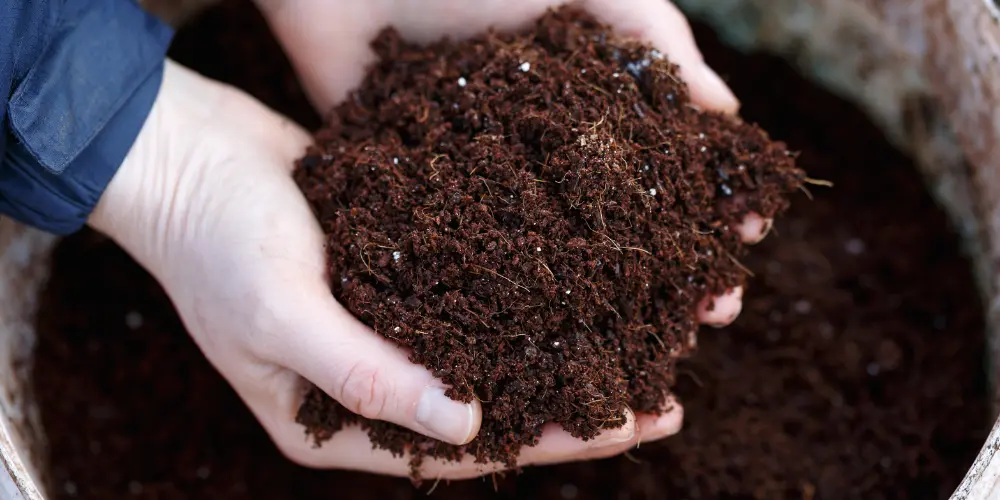
As global agriculture embraces more sustainable, efficient and climate resilient practices, one growing medium is taking center stage. Cocopeat known for its versatility and eco-friendliness has become a preferred substrate for commercial farmers, greenhouse operators and home gardeners across the globe. But what exactly is cocopeat and why is it revolutionizing the way we grow? What Is Cocopeat? Cocopeat, also known as coir pith or coir dust is a byproduct of the coconut industry. It is extracted from the husk of the coconut after the coir fiber is removed. Once treated, dried and processed, cocopeat forms a fine, sponge like growing medium ideal for a wide range of crops. Available in multiple forms such as blocks, bricks, bales, grow bags, discs and loose fill, cocopeat can be used on its own or blended with other substrates depending on crop requirements. Key properties of cocopeat High water retention Cocopeat can absorb and retain large quantities of water, up to 8-10 times its weight. This helps maintain consistent soil moisture, reducing the need for frequent irrigation and minimizing water waste in drought prone or resource scarce areas. Excellent aeration Thanks to its fibrous, porous structure, cocopeat allows for optimal air circulation within the root zone. This helps prevent root rot and promotes stronger, healthier root systems essential for vigorous plant growth. Consistent Texture Processed cocopeat has a uniform texture that ensures reliable performance across batches. Unlike traditional soil, it is free from rocks, clay or debris which means growers experience less variation in planting conditions. Eco Friendly As a byproduct of the coconut industry, cocopeat offers an environmentally sustainable solution that repurposes agricultural waste. It is fully biodegradable and reduces the pressure on natural topsoil resources. Neutral to slightly acidic pH With a pH range of 5.5 to 6.5, cocopeat is naturally suited to a broad spectrum of crops without the need for heavy pH correction. It supports efficient nutrient absorption and compatibility with most fertilizers. Why farmers are making the switch 1. Performance and yield Farmers consistently report improved crop health and yields when using cocopeat. Its water retention and aeration capabilities provide an optimal root environment which accelerates germination and improves nutrient uptake. The consistency of cocopeat also allows for better control over irrigation and fertigation practices. 2. Sustainability As the agriculture industry places a stronger emphasis on regenerative and eco conscious practices, cocopeat stands out as a sustainable alternative to traditional soil. It is produced from coconut husks, a renewable, biodegradable resource and contributes to reducing the degradation of natural topsoil. Its use promotes circular agriculture by utilizing what was once considered waste. 3. Versatility across crops Cocopeat is suitable for a wide variety of crops including tomatoes, cucumbers, peppers, strawberries, lettuce and ornamentals. Its adaptability makes it ideal for use in hydroponics, vertical farming, nursery propagation and open-field applications. It can also be mixed with other media such as perlite, vermiculite or coir chips for tailored solutions. 4. Reusability and storage Unlike soil that often depletes or compacts after one use, cocopeat can be reused multiple times with proper flushing and treatment. This reduces operational costs and labor over time. Additionally, it is sold in compressed formats such as blocks, bricks and bales allowing for efficient shipping and storage, especially for exporters and bulk buyers. Global grade Cocopeat rooted in reliability At CoirRoots, we manufacture and export premium grade cocopeat products from Sri Lanka, ranging from grow bags and open top bags to discs, briquettes and bales. Backed by ISO, GMP, SLSI and OMRI certifications, our products are used by commercial farms and greenhouse growers across more than a dozen countries. Our cocopeat is processed to meet low EC requirements, free from contaminants and available in customized blends tailored to your crop and climate. Switch to high quality, sustainable coir solutions that help you grow better, smarter and greener. Contact our export team to learn more.
A Guide for Global Buyers How to Find Reliable Coir Suppliers
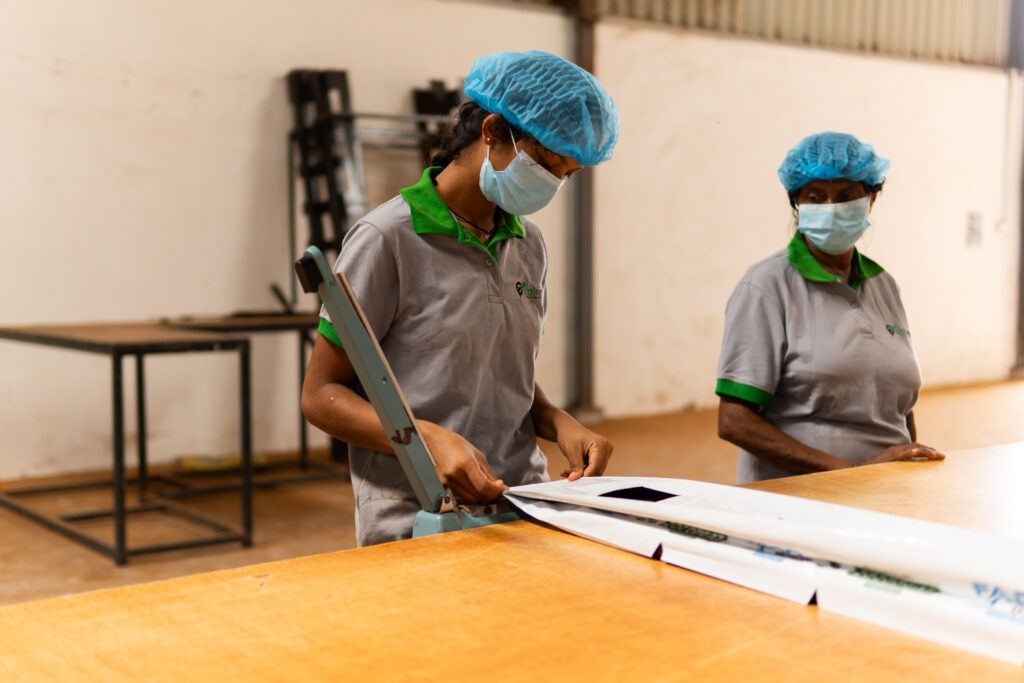
In today’s competitive agricultural landscape, global buyers face several challenges from inconsistent substrate quality and supply delays to uncertainty around environmental standards and product certification. Amid these complexities, Sri Lanka has emerged as a leading source for high quality coir-based substrates offering a combination of reliability, sustainability and export expertise. Whether you are seeking cocopeat in bulk, coir grow bags wholesale or specialized horticulture coco peat, selecting the right supplier is a strategic decision that directly impacts crop performance and supply chain reliability. Why source coir from Sri Lanka? Sri Lanka is internationally recognized for its premium coconut coir growing medium thanks to the country’s access to superior raw material, skilled workforce and a good export framework. The region produces a diverse range of coir based products including cocopeat blocks for agriculture, coir pith blocks, grow bags, open top bags, discs, briquettes and bales making it a preferred sourcing destination for greenhouse operations and large-scale farming enterprises. Key considerations when selecting a coir supplier 1. Compliance with International Standards Global buyers must prioritize suppliers who maintain rigorous quality assurance protocols and internationally recognized certifications such as ISO 9001, ISO 14001 and OMRI listings. Only a limited number of countries actively align with globally recognized certifications such as ISO and OMRI, encouraging compliance with stringent international standards. Countries like Sri Lanka are regarded as ideal sourcing destinations not only for their commitment to certification but also for their naturally rich soils that contribute to the production of high quality coconuts, an essential foundation for premium coir. CoirRoots reflects this with a fully equipped in house laboratory and rigorous quality monitoring both with international and local standards that it requires to follow at every stage from raw material selection to final dispatch. 2. Comprehensive product portfolio A credible supplier should offer a wide spectrum of coir products tailored to various agricultural needs. CoirRoots a Sri Lankan leader in coir exports provides Cocopeat (washed/unwashed, low EC, buffered), Grow Bags Coir, Open Top Grow Bags, Coir Discs, Briquettes, Bales, Customized coir substrates for greenhouse farming and open field applications. 3. Environmental and ethical responsibility Today’s buyers increasingly value partners committed to sustainable practices that distinguishes itself by utilizing biodegradable cocopeat packaging, practicing ethical labour standards and engaging in community ased livelihood programs aligning business operations with global environmental and social governance (ESG) priorities. 4. Export readiness and operational efficiency Look for a coir product exporter in Sri Lanka with expertise in international logistics, export documentation and consistent delivery timelines. A seasoned exporter ensures that products like coco peat bricks for export, coir discs and bales reach global destinations safely, efficiently and in optimal condition. 5. Responsiveness and long term support Beyond products, professional suppliers like CoirRoots provide exceptional after sales service, proactive communication and a commitment to long term business partnerships that maintains client focused support for both small scale greenhouse operators and enterprise level agricultural ventures. Why partner with CoirRoots? CoirRoots has established itself as one of the most trusted coir product suppliers in Sri Lanka, exporting to clients across Europe, Asia, Australia and North America. With a reputation for quality, customization, and service CoirRoots is a preferred choice for: Here’s why our clients trust CoirRoots 1. Certified quality you can trust CoirRoots is certified under ISO 9001 (Quality Management Systems) and ISO 14001 (Environmental Management Systems) ensuring consistent product quality, process efficiency and environmentally responsible operations. We are also listed by OMRI, verifying that our products meet organic agriculture standards recognized globally. These certifications and regulatory alignments reflect the commitment to quality, food safety and international compliance, reassuring buyers who demand credibility and traceability in their sourcing decisions. 2. End to end quality assurance Every product, whether it’s a grow bag, disc or cocopeat bale, goes through an in house quality testing process. We monitor moisture content, EC levels, particle size distribution and expansion rate to meet customized buyer specifications with precision. 3. Sustainable sourcing and biodegradable packaging CoirRoots are committed to minimizing the environmental footprint by sourcing coconut husks sustainably and offering biodegradable packaging options. The production processes emphasize resource efficiency and waste reduction, aligning with global ESG standards. 4. Social responsibility and community empowerment At CoirRoots, go beyond compliance by actively investing in community development and gender equality. The workforce includes a high representation of women in both skilled and supervisory roles and provides safe working environments, fair wages and support initiatives that uplift local livelihoods. 5. Global Distribution with Local Insight We serve clients in Canada, Germany, Spain, Mexico, Japan, South Korea and beyond. Our logistics team is trained to handle bulk exports, documentation and compliance for smooth customs clearance and consistent delivery timelines. 6. Customization and scalability Whether you are a boutique greenhouse operator or a high volume distributor, CoirRoots can tailor mixes (e.g. buffered coco peat, custom EC levels), bag sizes and packaging formats to match your needs. Explore our full product range and export capabilities at www.coirroots.com or reach out directly for a consultation. Choosing the right coir supplier in Sri Lanka is essential for maintaining quality and consistency across your agricultural operations. With proven experience, certified processes and a strong commitment to sustainability, CoirRoots stands out as a partner you can trust for long term success.
Why Planter Bags or Grow Bags Are Taking Over Modern Farming
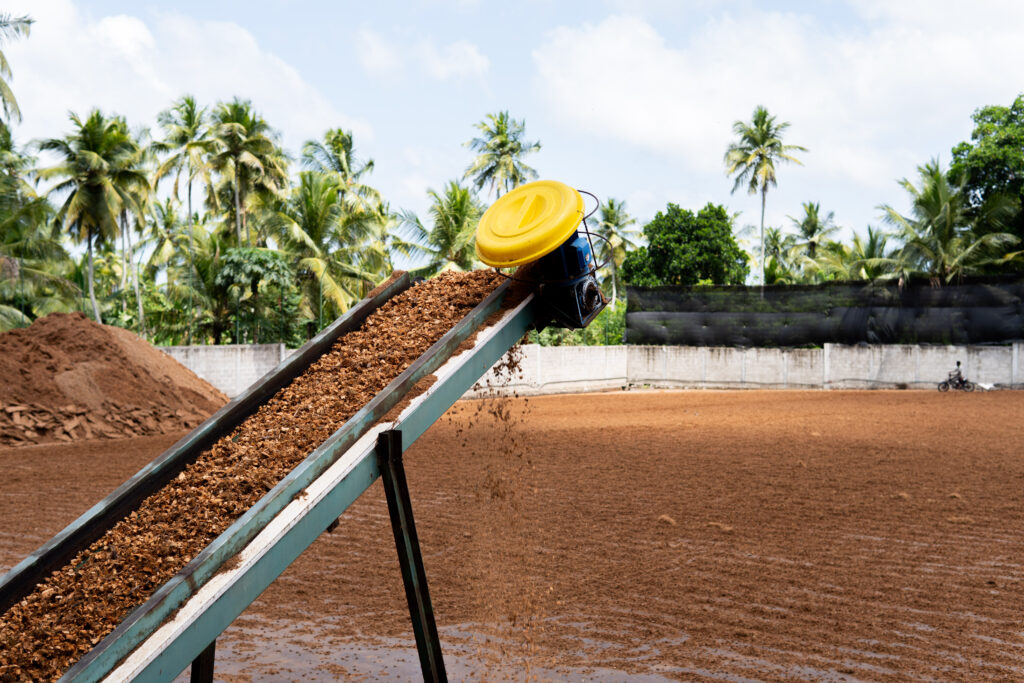
In recent years, a quiet shift has shaping the way farmers both large scale and small holders cultivate their crops. At the center of this shift? A simple but highly effective tool planter bags also known as grow bags. These versatile, soil free cultivation containers are fast becoming the go to solution for modern farming. Whether you’re growing strawberries, tomatoes, blueberries or cucumbers, planter bags are proving to be an adaptable, sustainable and profitable choice. What are Planter Bags? Planter Bags are portable containers used for cultivating plants above ground, typically made from coir, fabric or plastic. They are filled with a growth medium such as cocopeat (coir), soil blends or hydroponic substrates. While “grow bags” is the most commonly used term, you may also hear them referred to as: Planting BagsGrow SacksCultivation BagsCoir Grow Bags (when made from coconut coir substrate)Fabric Grow BagsHorticulture Bags No matter the name, the concept remains the same giving plants an optimized, portable growing environment. Why growers are making the switch Here’s why these bags are taking over farms, greenhouses and backyards across the world 1. Water efficiency in harsh climates Australia’s unpredictable rainfall and growing water scarcity make water smart solutions essential. Grow bags or planter bags allow for better water retention and drainage reducing water waste and improving plant hydration without the risk of overwatering. 2. Optimized root health Traditional soil beds often lead to root binding or rot. Grow bags promote air pruning, which prevents roots from circling and encourages a healthier, fibrous root system translating to stronger, higher yielding plants. 3. Portability & flexibility Need to move your crop to chase the sun or avoid frost? Grow bags can be relocated with ease, making them ideal for both urban gardeners and commercial operations looking for layout flexibility or temporary cultivation zones. 4. Perfect for limited space Planter bags are a space saving solution that helps maximize yield in small areas. This is especially useful for urban growers and vertical farms. 5. Cleaner and more controlled Grow bags create a cleaner and more controlled environment helping reduce weed growth, pests and soil borne diseases. This means less reliance on chemical treatments, a big win for organic and eco-conscious growers. 6. Sustainability Coir based grow bags are biodegradable and made from renewable coconut husks, an eco-friendly choice for growers who care about reducing their carbon footprint. 7. Suitable for a range of crops From strawberries, cucumbers and tomatoes to capsicum, lettuce, spinach and basil, grow bags support a wide variety of fruit, vegetable and leafy green crops. They are also widely used in flower cultivation like gerberas and roses. How planter bags/grow bags empower both smallholders and commercial farmers Whether you manage a few raised beds or operate a large hydroponic greenhouse, planter bags scale easily to your needs. Smallholders appreciate the low setup costs and ease of use, while commercial operations benefit from higher crop uniformity, better space utilization and efficient nutrient delivery. The future is rooted in smart growing The rise of planter bags/grow bags in modern farming isn’t just a trend, it’s a response to real challenges: climate change, land limitations, water restrictions and the need for higher efficiency. If you’re a grower in Australia seeking smarter ways to improve yield, save water and scale sustainably, it might be time to explore what planter bags can offer. CoirRoots is proud to offer high quality, customizable planter bags/grow bags tailored to your crops and climate. Reach out today to learn more and grow smart, grow green.
Which Growing Medium Is Best for You? Peat Moss vs Rockwool vs Coir
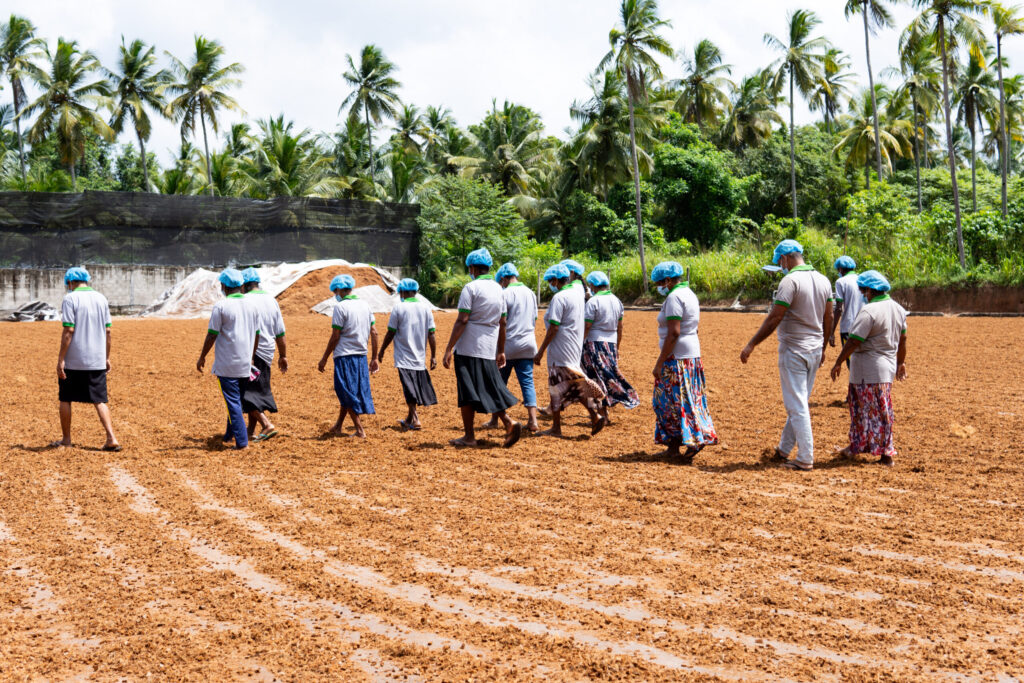
When it comes to choosing the right growing medium, farmers and greenhouse growers are often faced with three major options; Peat Moss, Rockwool and Coir. Each has its strengths but not all are equally sustainable or versatile. In this article put together by our team at CoirRoots, we compare their properties, benefits and ideal uses to help you decide which is the most balanced and future ready choice for your crops. Let’s explore the key differences. Peat Moss vs Rockwool vs Coir Peat Moss Peat moss is a decomposed organic material harvested from peat bogs, known for its high water-holding capacity and acidity. It has long been a staple in seed starting and soil conditioning, especially for acid-loving plants. However, concerns about environmental degradation and the slow regeneration of peat have raised sustainability questions in recent years. Advantages:Excellent water holding capacityIdeal for starting seedsNaturally suppresses some soil-borne diseases Disadvantages:Non-renewable and slow to regenerateAcidic pH (may require balancing)Harvesting damages ecosystems Rockwool Rockwool is a man made growing medium created by melting basalt rock and spinning it into fibrous cubes or slabs. It offers uniformity and is commonly used in hydroponic systems for large-scale commercial cultivation. Despite its popularity for precision growing, Rockwool is non-biodegradable and must be disposed of carefully, making it less ideal for eco-conscious growers. Advantages:Highly uniform and cleanExcellent for hydroponic nutrient controlRetains moisture well while allowing drainage Disadvantages:Non-biodegradable and environmentally taxing to produceMay irritate skin and lungs during handlingRequires pH adjustment before use Coir Coir is a natural, renewable byproduct extracted from coconut husks. It has quickly gained popularity among commercial growers and home gardeners due to its excellent water retention, aeration and eco-friendliness. As a sustainable alternative to traditional soil, coir is widely used in hydroponics, greenhouse farming and urban agriculture systems across the world. Advantages:Excellent water retention and aeration balanceNaturally pH neutral to slightly acidic100% biodegradable and renewableEncourages healthy root growthReuses agricultural waste (coconut husks)Low EC cocopeat available for precision growing Disadvantages:Requires washing and buffering before useQuality varies depending on source Comparison Table Criteria Peat Moss Rockwool Coir Sustainability ❌ Low ❌ Very Low ✅ High pH Suitability ❌ Acidic ✅ Neutral ✅ Neutral Reusability ❌ No ❌ Limited ✅ Yes Biodegradable ✅ Yes ❌ No ✅ Yes Best for Seedlings, soil Hydroponics Most crops, all scales What is most suited for growers? In today’s agriculture, where growers seek solutions that are both effective and environmentally responsible, coir stands out as the most balanced and future-ready growing medium. Unlike peat moss, which harms delicate peatland ecosystems or Rockwool, which is industrially produced and non-biodegradable, coir is a renewable byproduct of coconut processing. It transforms agricultural waste into a valuable substrate, offering sustainability without compromising on performance. The global demand for coir products is steadily rising as more growers adopt sustainable agriculture solutions and shift toward soilless cultivation. From commercial greenhouses in Europe to hydroponic farms in Asia and rooftop gardens in urban cities, coir is gaining recognition for its ability to improve yields, conserve water and promote healthier root systems. What can you grow with Coir Based products? Coir substrates like grow bags, cocopeat blocks, open top bags, discs and bales are widely used to cultivate a variety of crops across climates and growing conditions. Commonly grown produce includes: Fruits: Strawberries, Blueberries, Raspberries, Melons, Tomatoes, Passion fruit, Gooseberries, Papayas, Pineapples and many more Vegetables: Cucumbers, Bell peppers (capsicum), Eggplants (brinjal), Carrots, Zucchini, Green beans, Squash, Okra (ladies’ fingers), Radishes, Beets and many more Leafy greens: Lettuce (romaine, iceberg, butterhead), Kale, Spinach, Swiss chard, Arugula, Mustard greens, Basil, Cilantro (coriander), Mint, Parsley and many more Flowers: Roses, Gerberas, Chrysanthemums, Petunias, Marigolds, Orchids, Carnations, Lilies, Zinnias and many more Its versatility makes it suitable for everything from intensive commercial farming to home-based gardening projects. At the end of the day, your growing medium isn’t just a base, it’s the backbone of your crop success. Among the options available, Coir stands out as the most sustainable, efficient and grower-friendly solution. Whether you’re cultivating bell peppers in a commercial greenhouse, strawberries on open land or leafy greens on an urban balcony, CoirRoots Sri Lanka delivers products engineered for results. But we don’t stop at just providing coir. At CoirRoots, every batch of cocopeat, grow bag, disc, briquette and bale goes through a rigorous production and quality assurance process, from raw material selection to precision drying, grading and packaging to ensure consistent moisture retention, ideal pH balance and pathogen-free performance. We’re committed to helping commercial growers, wholesale distributors and retailers thrive with substrates that maximize yields, reduce water use and minimize environmental impact.
Coir Products at CoirRoots Sri Lanka
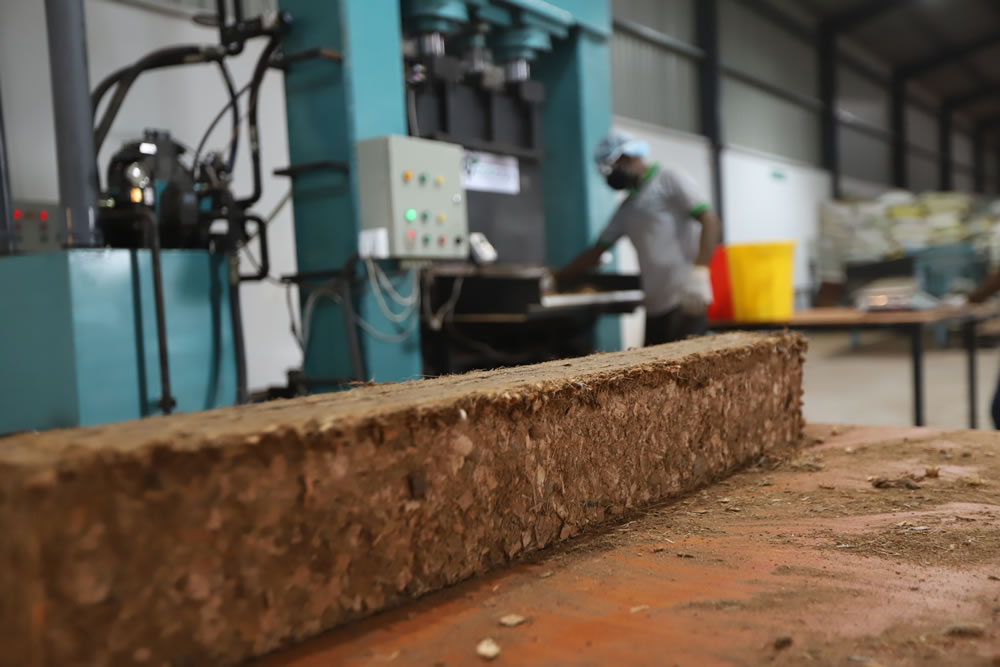
As industries adapt, pivot or even disappear in the face of global change, agriculture remains the one sector the world simply cannot outgrow. The demand for food continues to rise, regardless of economic conditions, population shifts or technological disruption. What’s changing, however is how we grow food. From compact urban balconies and small scale growers to large scale farms and wholesale coir trades, growers around the world are choosing smarter, cleaner and more sustainable methods. At CoirRoots Sri Lanka, we support this transition by supplying high quality coir based solutions that help farmers, agri entrepreneurs and home gardeners grow more with less impact. Each has been developed to meet diverse growing needs from commercial farms feeding thousands to households growing herbs and vegetables in compact spaces. Our Core Products Grow Bags, Cocopeat, Open Top Bags, Discs and Bales are designed to support growers across the globe, from large scale commercial farms to urban greenhouses and home gardens. Grow Bags Ideal for commercial greenhouses, poly tunnels and hydroponic setups, grow bags are pre filled, ready to use containers for crops like tomatoes, strawberries, bell peppers, cucumbers and melons. They allow for precise control over moisture and nutrients improving crop quality and yield while minimizing water usage. Cocopeat As a versatile soilless medium, cocopeat is suitable for seed starting, potting mixes, indoor plant cultivation and even vertical gardens. Its excellent water retention and aeration properties make it a favorite among organic growers and hobbyists alike. Whether you’re growing leafy greens in a greenhouse or houseplants on a windowsill, our bulk cocopeat export options ensure you have access to consistent, premium material. Open Top Grow Bags These bags are excellent for growing short cycle crops and ornamentals such as chrysanthemums, marigolds or leafy vegetables. Their open top design simplifies planting and water management making them ideal for nurseries, floriculture and rooftop farming. Coir Discs Perfect for seedlings, small plants and microgreens, coir discs are widely used in home gardening kits and nursery propagation. They’re compact, easy to use and biodegradable making them a clean and sustainable option for growing herbs, sprouts or flowering plants. Coir Bales Used by commercial farms and garden centers, coir bales are compressed blocks of cocopeat that expand when hydrated. They’re commonly used for soil conditioning, landscaping, mushroom cultivation and large scale potting mix production. Together, these products provide bulk coir substrates that are adaptable, eco-friendly and tailored for both high efficiency agriculture and personal food growing. Our mission is to help meet growing food demand through: Why Coir Based Solutions? With land, water and labour resources becoming scarcer, growers need solutions that: This is where wholesale cocopeat export and coir based substrates from CoirRoots make a measurable difference. Our premium grade bulk cocopeat and grow bags for agriculture help farmers worldwide increase productivity while promoting soil health and sustainability. Certified Globally At CoirRoots, we proudly adhere to the highest global standards. OMRI Listed, ISO 9001, ISO 14001, GMP Certified, Sri Lanka Standards Institute (SLSI) Compliance, Coconut Development Authority (CDA) Registration ensuring that our products support both planet and productivity. Whether supplying wholesale coir substrates to a major European greenhouse or exeporting cocopeat for farms in Asia, we remain committed to the core principle of helping agriculture thrive because the world can’t afford to lose it. As more of the population moves away from traditional farming, solutions like ours will play an even greater role in helping feed the planet.