Coco Coir Precision Agriculture Solutions for European Hydroponic Farms
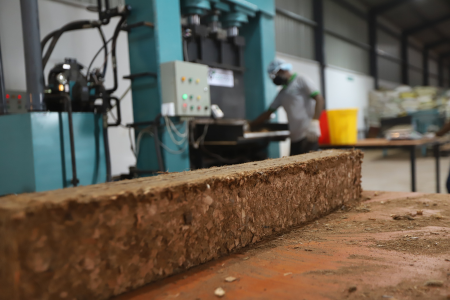
As the European agricultural landscape enters a period of intense regulatory transition, hydroponic growers are facing a dual challenge maintaining high yields while adhering to the European Union’s ambitious sustainability mandates. With national goals in countries like Germany and the United Kingdom targeting a 100% reduction in peat use for the professional sector by 2030, the search for a functionally equivalent, economically viable alternative has concluded at the coconut husk. CoirRoots provides the high-performance coco coir substrates necessary for this transition, offering European hydroponic farms a seamless bridge from traditional mediums to the future of precision agriculture. Why Europe is Moving to Coir The traditional dominance of peat moss and mineral wool in European greenhouses is being challenged by two primary factors: environmental legislation and resource efficiency. 1. Navigating the Peat BanPeat extraction is increasingly recognized under the EU LULUCF Regulation due to its high carbon cost. As member states account for emissions from land-use changes, coco coir has emerged as the premier renewable alternative. Unlike peat, which takes millennia to form, coir is a byproduct of the existing coconut industry, making it a circular economy success story. 2. Superior Root Zone ManagementIn large-scale hydroponic facilities particularly those exceeding 50,000 sq. ft. uniformity is the key to profitability. CoirRoots substrates offer: CoirRoots Commercial Range Engineering the Perfect Mix Standardisation is the greatest hurdle in the coir supply chain. CoirRoots addresses this through rigorous processing in Sri Lanka, ensuring that the electrical conductivity (EC) and sodium levels are tailored for sensitive European hydroponic crops. Custom Blends and Formats Every crop has a unique “thirst” and “breath” profile. We provide tailored chip-to-pith ratios to match your irrigation strategy: Economic Resilience in a Volatile Market In 2026, global supply chain resilience is a core business metric. By sourcing from CoirRoots, European farms secure a stable, year-round supply of growing media that is unaffected by the seasonal restrictions of peat harvesting. Furthermore, the durability of high-quality coir allows for multi-cycle use. After the primary crop is harvested, the structural integrity of our fibres remains intact, allowing for secondary crops or repurposing as a high-value soil conditioner minimizing landfill costs and closing the loop on farm waste. Secure Your Future Harvest As European mandates tighten and consumer demand for “residue-free” and “peat-free” produce grows, your choice of substrate becomes a competitive advantage. CoirRoots is committed to being the technical partner that helps European hydroponic farms achieve peak performance in a sustainable era. Consult with our Technical Team – Ready to transition your facility to high-performance, sustainable substrates? Reach out for custom specifications and bulk logistics support. Call or Whatsapp +94 77 744 2112 | Email [email protected] | www.coirroots.com
Is Your Inventory Ready for the ‘Torf-frei’ Mandate?

The Strategic Transition for German Substrate Wholesalers Across Germany, the horticultural supply chain is undergoing its most significant shift in decades. The federal government’s Torfminderungsstrategie (Peat Reduction Strategy) is no longer a distant goal, it is a concrete timeline. With the 2026 milestone for the hobby sector and the 2030 mandate for professional horticulture fast approaching, the German market is moving toward a “Torf-frei” (peat-free) future. For wholesalers and B2B distributors, the question is no longer if you should diversify your inventory, but how quickly you can secure a high-performance alternative that meets the rigorous standards of your clients. Why ‘Torf-frei’ is Mandatory (The Regulatory Pressure) The German mandate is driven by the urgent need to protect peatlands, which serve as the planet’s most efficient terrestrial carbon stores. As extraction permits in Lower Saxony and other key regions expire, the domestic supply of peat is shrinking. Wholesalers who rely solely on traditional peat-based mixes face significant risks: Coco Coir as the Professional Standard – The Solution To maintain the high yields that German growers expect, the industry has turned to Coco Coir (Cocopeat). Unlike other organic alternatives, high-quality coir offers a physical structure and air-filled porosity that closely mimics and in many cases, exceeds the performance of peat. Why CoirRoots is the ideal “Torf-frei” partner for wholesalers: 1. Professional growers require a stable pH and low Electrical Conductivity (EC). CoirRoots substrates undergo rigorous washing and buffering processes to ensure every shipment meets the exact specifications required for sensitive hydroponic and greenhouse crops(Technical Consistency). 2. In a high-cost logistics environment, our compressed formats are a game-changer. A single container of CoirRoots 5kg blocks expands to eight times its volume, allowing wholesalers to maximize warehouse space and reduce shipping-related carbon footprints(Logistical Efficiency). 3. Unlike peat, which takes centuries to form, coco coir is a byproduct of the existing coconut industry. Partnering with CoirRoots ensures a 365-day-a-year supply chain that is immune to the seasonal and regulatory restrictions of peat harvesting (Renewable Reliability). The “Future-Proof” Inventory A resilient wholesale inventory in 2026 must be built on versatility. By integrating CoirRoots into your catalog, you are providing your B2B clients with the tools they need to navigate the ‘Torf-frei’ mandate: Secure Your Position in the New Green Market The transition to peat-free horticulture is an opportunity to lead. Wholesalers who act now to secure high-quality, sustainable substrates will be the ones who define the German agricultural landscape for the next decade. Is your inventory ready for the shift? Transitioning to CoirRoots ensures that your business stays compliant, your growers stay productive and your margins stay protected in a peat-free world. B2B Procurement & Technical Support Ensure your inventory is mandate-ready. Contact CoirRoots today for bulk logistics, technical data sheets and custom substrate formulations. Call or Whatsapp +94 77 744 2112 | Email [email protected] | www.coirroots.com
Why German Growers are Transitioning from Open Fields to Coir Grow Bags
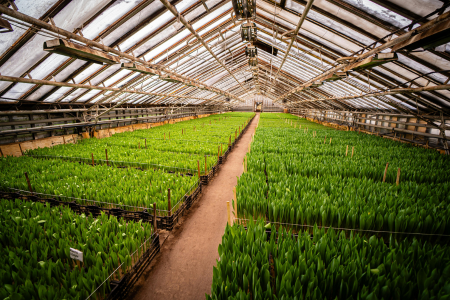
The agricultural landscape in Germany is undergoing a swift, structural transformation. Across major growing regions from Lower Saxony and North Rhine-Westphalia to the southern plains of Bavaria-traditional open field cultivation is steadily being replaced by modern, elevated undercover systems. Commercial growers are rapidly moving away from the soil, transitioning high value crops into protected environments and planting directly into coco coir grow bags. Faced with increasingly unpredictable weather patterns, soaring domestic labour costs and strict environmental mandates regarding peat reduction and soil protection, this shift has become an operational necessity for commercial survival. While soft fruits like strawberries were early adopters of this methodology, the transition has expanded rapidly across a broad spectrum of crops, including raspberries, blackberries, blueberries, tomatoes, bell peppers, cucumbers, and aubergines. For agricultural wholesalers and substrate distributors, this widespread move towards Controlled Environment Agriculture (CEA) represents one of the most lucrative, high volume market segments in modern European horticulture. 1. De-risking Agriculture Against Volatile Climate Patterns Traditional open field farming in Germany has always been a gamble against nature. Extreme weather events are no longer anomalies; sudden late spring frosts, intense summer hailstorms and periods of prolonged drought are actively disrupting seasonal yields. Controlled Environment Insurance By moving crops into polytunnels or high-tech glasshouses and utilising coco coir grow bags on elevated gutter or tabletop frames, commercial growers successfully decouple their production from environmental volatility: 2. Maximising Labour Efficiency and Yield Quality Harvesting traditional ground crops is a physically demanding, back-breaking task that relies heavily on manual seasonal labour. With Germany’s statutory minimum wage increases and a shrinking pool of available seasonal workers, ground farming is hitting an economic ceiling. By lifting the root zone to waist height in structured grow bags or using vertical gutter systems for vining vegetables growers unlock massive operational efficiencies: 3. Precision Root Zone Management with Premium Coir Intensive, high density cultivation requires absolute control over the root zone. Diverse crops have distinct structural and chemical requirements, but all plants grown in automated hydroponic loops require a flawless balance of consistent moisture and high oxygen access, alongside absolute freedom from soil pathogens. This is where the technical engineering of CoirRoots grow bags provides a superior foundation as the most preferred importer in Asian region: Future Proofing the German Wholesale Portfolio As the German government enforces its Torfminderungsstrategie to completely phase out peat moss in professional horticulture and as chemical soil treatment regulations tighten, coco coir stands out as the ultimate eco-friendly, fully renewable substrate. It allows German growers of fruits and vegetables alike to satisfy demanding environmental criteria without sacrificing their economic output per square metre. Wholesalers who pivot their inventories to offer high specification, professional grade coir grow bags are positioning themselves to capture a highly resilient, long-term B2B market across the entire commercial farming sector. Import from CoirRoots for High-Yield Commercial Success – We engineer custom blended grow bags, open top planter bags and compressed blocks calibrated precisely for the strict standards of commercial European growers. Contact our B2B export desk today for technical datasheets and volume container pricing. Call or WhatsApp: +94 77 744 2112 | Email: [email protected] | Web: www.coirroots.com
Ultimate Substrate for High Density CEA and Hydroponic Gutters
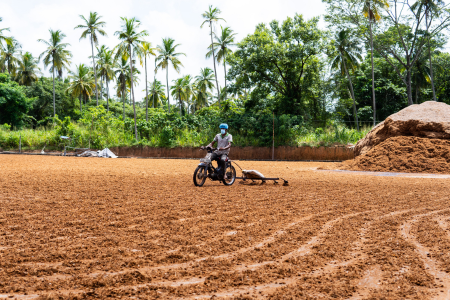
In the high takes arena of modern Controlled Environment Agriculture (CEA), efficiency is measured by the millimetre and the minute. As commercial greenhouse facilities across Europe, North America and Asia push for maximum output per square metre, the infrastructure of choice has shifted decisively towards automated hydroponic gutters and vertical high density layouts. However, high density cultivation intensifies the pressure on the root zone. In closed loop, automated irrigation systems, any variation in substrate quality can result in widespread crop failure. For commercial growers and wholesale distributors navigating this high precision environment, CoirRoots engineered coco coir solutions offer the physical stability, chemical uniformity and operational reliability required to sustain peak yields. 1. Structural Integrity in Hydroponic Gutters High density gutter systems, frequently utilised for tomatoes, cucumbers and peppers rely on continuous, precisely timed irrigation cycles. Traditional substrates like peat or inferior coir blends can easily compact over a long growing season. This compaction collapses critical air pockets, leading to waterlogging and root asphyxiation. The CoirRoots Advantage: Optimised Air-Filled Porosity (AFP) – CoirRoots products are manufactured with specific, uniform chip-to-pith ratios. This custom balancing ensures a resilient matrix of micro channels that maintains a steady 20% to 25% air capacity, even when fully saturated. Resistance to Degradation – Our premium grade coco coir fibres are structurally stable. They do not break down or sludge in the gutters over multi cycle seasons, preventing drainage blockages and ensuring uniform moisture distribution from the first plant in the row to the last. 2. Chemical Uniformity: Navigating Automated Feeding Regimes In high density CEA, plants are fed via highly precise drip irrigation loops where the Electrical Conductivity (EC) and pH of the nutrient solution are strictly managed. Raw or poorly processed coconut coir naturally contains high levels of sodium and potassium ions, which can lock out essential nutrients like calcium and magnesium. The CoirRoots Advantage: Precision Washing and Buffering – CoirRoots substrates undergo a rigorous, multi stage triple washing process at our state-of-the-art facilities in Sri Lanka. We reduce the natural sodium and chloride levels to safe, trace amounts ($EC < 0.5 ms/cm$). Stable pH Foundation – With a stable native pH of 5.7 to 6.5, CoirRoots aligns perfectly with commercial hydroponic formulations, removing the need for aggressive chemical corrections and saving growers significant input costs on pH regulators. 3. Logistical and Safety Buffers for Scaled Operations A single crop failure in a high density vertical farm or commercial greenhouse can result in hundreds of thousands of Euros in lost revenue. Substrate sterility and resource buffers are critical operational safety nets. THE COIRROOTS PERFORMANCE MATRIX Substrate Property Benefit to High-Density CEA High Water Holding Capacity (WHC) 10x moisture retention protects crops during pump or power failures Low Sodium & Chloride Ions Eliminates nutrient lock-out; ensures rapid calcium uptake Compressed 1:8 Expansion Ratio Reduces warehouse footprint and bulk shipping carbon emissions Natural Pathogen Resistance – Unlike soil or substandard organic mediums, CoirRoots substrates are naturally sterile and highly resistant to root rot, Pythium and other soil-borne pathogens. This is a vital safeguard in high density facilities where plants share a common drainage gutter. The Moisture Buffer – CoirRoots coco coir can retain up to ten times its dry weight in water. If a facility experiences an automated pump malfunction or a brief power failure, the substrate holds a vital reserve of moisture, keeping the root zone hydrated and preventing sudden crop wilting. Future Proofing Commercial Hydroponics As international regulations tighten around the use of peat moss and the carbon footprints of synthetic rockwool disposal grow, coco coir stands out as the only truly circular, renewable alternative. By integrating CoirRoots into automated high density gutter systems, commercial operations achieve a dual victory – absolute precision over their crop nutrition and compliance with the highest global sustainability standards. Importing from Asia high quality supplier CoirRoots for High-Yield Commercial Success – We specialise in supplying high volume, custom blended grow bags, open-top planters and compressed blocks for commercial hydroponic projects worldwide. Contact our commercial export team for technical data sheets and container load pricing. CoirRoots Sri Lanka: Call or WhatsApp: +94 77 744 2112 Email: [email protected] Web: www.coirroots.com
How Coco Peat is Fueling the GCC’s $3.8 Billion Agri-Tech Expansion
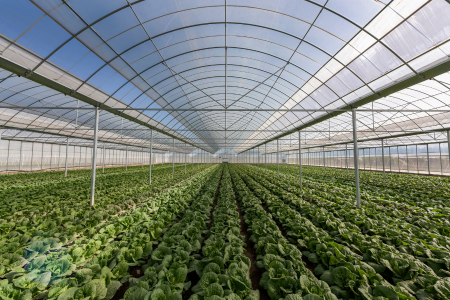
Across the Gulf Cooperation Council (GCC) from the hightech agricultural hubs of the United Arab Emirates and Saudi Arabia to Qatar, Kuwait and Oman, a quiet agricultural revolution is underway. Faced with hyper-arid desert climates, rapidly depleting groundwater reserves and a historical reliance on importing up to 90% of their food supply, GCC nations are making massive investments in Controlled Environment Agriculture (CEA), high density glasshouses and vertical farms. Backed by national frameworks like the UAE Food Security Strategy 2051 and Saudi Vision 2030, the region’s agri tech market is expanding toward a projected $3.8 billion valuation. The objective of this sovereign backed expansion is clear, localise fresh produce production using minimal water and land. However, desert soil is completely uncultivable for high intensity commercial farming. To achieve high yields, regional mega farms have turned to aggregate hydroponic systems. At the heart of this multi billion dollar transition is coco peat (coir substrate) the natural engine powering the Gulf’s indoor farming boom. 1. Slashing water consumption in Arid Environments Water scarcity is the single greatest bottleneck for agriculture in the Middle East. Traditional open field flood or overhead irrigation leads to rapid evaporation under severe summer heatwaves, wasting vital desalinated or groundwater resources. The 30% moisture cushion Hydroponic systems already cut overall water consumption by up to 90% compared to open field soil farming. Integrating high grade coco peat into these systems maximises these savings even further. 2. Protecting crops against extreme desert heatwaves In climate controlled glasshouses across the Gulf, outdoor summer temperatures routinely surpass 45°C. If an automated drip pump fails or a power surge occurs during peak hours, crop root zones in synthetic media like rockwool can dry out within minutes, leading to immediate plant death. Rewetting and thermal insulation Hydrophilic resiliency – Unlike traditional peat moss which becomes hydrophobic (water repellent) when dry coco peat rewets instantly upon contact with water. If an irrigation delay occurs, the substrate absorbs fresh nutrient solutions immediately without channeling out of the drainage holes. Thermal root protection – Coir acts as a natural insulator, keeping root-zone temperatures cooler than the ambient glasshouse air during extreme heat spikes. 3. High aeration for maximum root health High density indoor farms in the GCC produce high value crops, including tomatoes, cucumbers, bell peppers, strawberries, leafy greens and microgreens. These plants demand constant oxygen at the root level to absorb nutrients effectively. Engineered coco peat mixes provide an optimal Air-Filled Porosity (AFP) of 20% to 25%. Even when fully saturated, the durable organic coir fibres preserve micro air pockets. This prevents root suffocation and root rot (Pythium), ensuring rapid plant growth cycles and year round harvesting. 4. Uncompromised quality control: Low EC and Natural Sterility In arid climate cultivation, salinity buildup is a constant risk. Raw or unbuffered coir contains natural sodium and potassium ions that can cause immediate nutrient lockout in sensitive crops. This is where the technical engineering of CoirRoots substrates becomes vital for commercial operations across the GCC. Fueling the next era of GCC food security As sovereign wealth funds and private investors accelerate the GCC’s $3.8 billion agri-tech expansion, the demand for standardized, high performance and sustainable substrates is at an all time high. By importing compressed, 1:8 ratio coir blocks and custom grow bags directly from Sri Lanka, GCC agricultural developers and wholesalers secure a lightweight, cost-effective and highly reliable foundation for their high tech facilities. Across the Middle East and GCC region, commercial growers and agricultural importers frequently refer to coco peat as coir pith or coir fibre pith. In local market channels, nursery networks and greenhouse supply chains, it is widely searched and traded under term like coconut peat moss, coconut soil, coir pith substrate, coir dust and organic coconut peat. Partner with CoirRoots for commercial GCC agri tech projects CoirRoots specializes in manufacturing and exporting custom blended grow bags, open-top planter bags and compressed 5kg blocks tailored for high tech indoor farms and commercial glasshouses worldwide. Contact our B2B export team for technical specifications and container load logistics. CoirRoots I Call or WhatsApp: +94 77 744 2112 I Email: [email protected] I Web: www.coirroots.com
Large Commercial Growers Focus Heavily on Crops That Offer High Yields
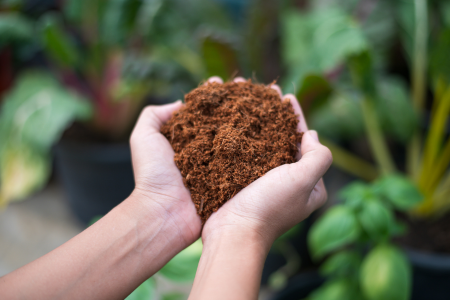
In modern Controlled Environment Agriculture (CEA), facility footprint comes at a premium. With high glasshouse capital expenditure, escalating energy costs and strict commercial contracts, large commercial growers focus heavily on crops that offer high yields per square metre. Maximum yield density is no longer just a production metric it is the primary driver of operational profitability. To secure maximum returns on every square metre, global greenhouse operators are aligning their crop selection with high-margin, fast rotating produce designed for automated gutter systems, tight harvest cycles and year round supply agreements. The primary vegetable categories driving demand among large scale growers include options structured for rapid turnarounds and consistent, year round pricing. 1. High value vine vegetables (Solanaceous and Cucurbit Crops) Fruit bearing vine crops remain the highest volume category for commercial greenhouse and glasshouse operations globally. Snack and specialty tomatoes Large growers are shifting away from standard bulk tomatoes to high margin specialty varieties,such as cherry tomatoes, truss tomatoes and cocktail tomatoes. These varieties command higher retail prices per kilogram and excel in elevated hydroponic substrate gutters. Mini and slicing cucumbers Cucumbers are a staple in commercial greenhouses due to their extremely fast growth cycles and high yield density. Mini/snack cucumbers, in particular, are seeing massive demand from supermarket chains. Bell peppers and aubergines (Eggplants) Valued for their long harvesting seasons and high thermal resistance under glass, coloured blocky peppers (red, yellow, orange) are a core focus for large commercial facilities across Europe and North America. 2. Leafy greens and culinary herbs Leafy greens dominate indoor farms, vertical farms and automated gutter systems due to their short crop cycles (often harvesting in as little as 20 to 30 days) and high water efficiency. Head lettuces and baby leaf mixes Romaine, butterhead and crisphead lettuces grown in automated NFT (Nutrient Film Technique) or floating raft systems. High margin culinary herbs Basil, coriander (cilantro), mint and parsley are seeing rapid demand growth from foodservice providers and retail chains due to their high profit margin per gram. Nutrient dense greens Spinach, kale and rocket (arugula) grown in clean, soil free environments to meet “ready to eat” supermarket standards. 3. High density soft fruits (Often categorised with veg crops) While technically fruits, soft berries are managed under the exact same technical infrastructure and supply contracts as greenhouse vegetables. Tabletop strawberries and bush berries Large growers across Europe, Australia and North America are transitioning en masse from open fields to tabletop hydroponic systems. Raspberries and blackberries are increasingly grown under cover to protect delicate yields from unseasonal weather and slash manual picking labour costs. 4. Key commercial drivers shaping this demand Retailer specifications Supermarket chains (such as REWE, EDEKA, Walmart, and Tesco) require 365-day supply agreements with strict aesthetic and zero pesticide criteria. Transition to soilless substrates Because soil carries high pathogen risks and faces strict chemical bans, large growers are cultivating these crops almost exclusively in sterile, high porosity grow bags (such as engineered coco coir). This ensures precise nutrient delivery and avoids root zone diseases. Labour and picking automation Growers are prioritising crops with crop architecture suited for waist height or chest height gutters, allowing workers or automated harvesting robotics to double picking speeds compared to ground farming. Large scale growers looking to optimise their Controlled Environment Agriculture (CEA) operations can work with CoirRoots Sri Lanka as a reliable partner for high quality coco coir growing media solutions. With a focus on supplying professionally processed, high performance coco coir substrates, CoirRoots supports commercial growers in achieving improved root development, efficient water management and consistent crop performance across greenhouse and hydroponic systems. By combining sustainable Sri Lankan coco coir expertise with the technical requirements of modern agriculture, CoirRoots helps growers build reliable, scalable and productive growing environments for high value crops such as tomatoes, cucumbers, peppers, leafy greens and berries.
A Practical Step Towards Self Sufficiency Farming in Uncertain Times
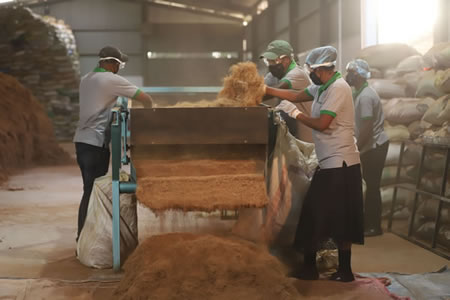
Across the world, households are beginning to rethink how they secure their daily food. Rising fuel prices, increasing vegetable costs, supply shortages and even long queues at supermarkets have highlighted how dependent we are on external food chains. What once felt stable is now unpredictable. Transportation disruptions, seasonal shortages, high cost of fertiliser and global political and economic pressures continue to affect food availability and pricing. In this changing environment, home growing is no longer just a hobby, it is becoming a practical and sustainable solution for everyday living. The Impact of High cost of fertiliser and Rising Fuel Costs on Food Prices High cost of fertiliser and Fuel prices play a major role in the cost of vegetables. From farms to distribution centres and supermarkets, transportation and fertilizer are key part of the food supply chain. Consumers across America, Europe, the UK, Asia and other countries have already experienced: higher vegetable prices, shortages and delayed deliveries. These challenges have led many households to consider growing at least part of their daily vegetables at home. Home Growing as a Self Sufficiency Solution Home growing allows families to become less dependent on fluctuating food supply chains. Even a small balcony, terrace or backyard can produces such a; Herbs for daily cooking, Leafy greens for salads, Tomatoes and peppers, Chillies and cucumbers, Seasonal vegetables. Starting small can still make a meaningful difference. A few containers can supply fresh ingredients regularly, reducing frequent supermarket visits and lowering overall expenses. Organic and Chemical Free Food at Home Another major benefit of home growing is complete control over how your food is grown. When growing vegetables at home: Many households are now prioritising organic food, but organic produce in supermarkets often comes at a premium price. Home growing provides a cost-effective way to enjoy organic vegetables daily. Grow at Your Own Pace and Time One of the biggest advantages of home gardening is flexibility. You control: When you plantWhat you growHow much you growWhen you harvest Whether you have 10 minutes in the morning or a relaxing weekend, home growing fits easily into your schedule. It doesn’t require large amounts of time, but the rewards are consistent and meaningful. Expand Gradually to Meet Your Needs Home growing can start small and grow over time. Many households begin with herbs and leafy greens, then gradually expand to include: Tomatoes, Bell peppers, Beans, Eggplant, Cucumbers, Strawberries. As confidence grows, your home garden can evolve into a small but reliable source of fresh vegetables for daily meals. A Mind Relaxing and Rewarding Experience Beyond practical benefits, home gardening also offers mental and emotional advantages. Gardening helps: In today’s fast paced world, tending to plants, watching them grow and harvesting your own vegetables brings a sense of satisfaction that few other activities offer. Why Coco Coir is Ideal for Home Growing For urban households, using traditional garden soil may not always be practical. This is where coco coir and cocopeat growing solutions become especially useful. Using coco coir offers: Grow bags made from coco coir also provide: Products from CoirRoots are designed to support home growers by providing reliable, sustainable growing solutions. Cocopeat blocks, grow bags and coir-based growing media make it easier for beginners to start growing vegetables at home with minimal effort. A Step Towards a More Resilient Future With rising costs, supply disruptions and growing interest in sustainability, home growing is becoming more relevant than ever. It offers: Even a small balcony or rooftop can become a productive growing space. By starting today, households can take a simple yet powerful step toward self-sufficiency and sustainable living. Home growing may have once been considered optional, but in today’s world, it may well be a smart and practical way forward.
Japanese Farmers are Increasingly Turning to Cocopeat as Coir-Based Substrates Revolutionise Modern Agriculture
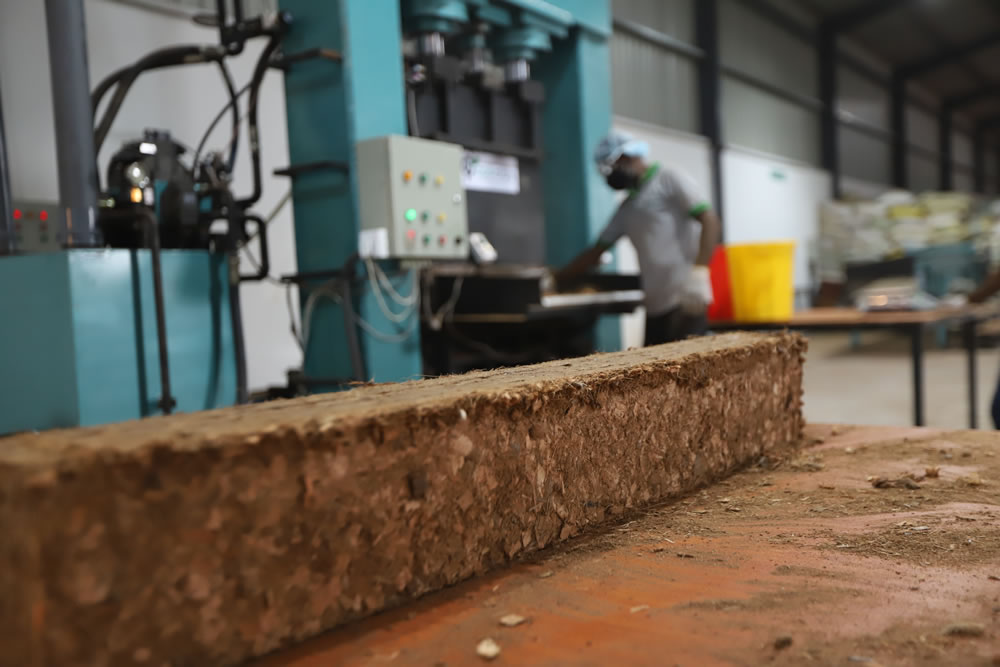
Japan’s agriculture sector is undergoing a transformation and at the heart of this change lies a growing interest in sustainable, high yield cultivation methods. One of the most promising solutions driving this transformation is cocopeat, a coir-based growing medium made from coconut husks. As environmental concerns and soil health take center stage, Japanese farmers are exploring alternatives that are both eco friendly and efficient. What Is Cocopeat? Cocopeat is a natural, biodegradable substrate made from the fibrous material inside coconut husks. It is widely used in greenhouse cultivation, hydroponics and container gardening due to its excellent water retention, aeration and root supporting qualities. Why Cocopeat appeals to Japanese farmers Space optimization: With limited arable land, Japan relies heavily on vertical farming, container cultivation and greenhouses, perfect use cases for cocopeat. Eco-conscious market: Japanese agriculture is seeing a steady shift toward organic, sustainable methods and cocopeat is 100% renewable. Water efficiency: Cocopeat retains moisture exceptionally well, making it suitable for regions with strict water use regulations. Soil alternatives: Urban farming initiatives and greenhouse growers need reliable, pest free soil substitutes. Target regions in Japan for coir based substrate adoption These cities and prefectures are agricultural hubs in Japan. 1. Hokkaido (Sapporo)Products: Potatoes, onions, corn, dairyKey Trait: Large-scale mechanized farming 2. Fukuoka (Kyushu Region)Products: Strawberries, rice, soybeansKey Trait: Greenhouse-grown berries and vegetables 3. KumamotoProducts: Tomatoes, watermelonsKey Trait: Advanced greenhouse setups 4. Chiba (Near Tokyo)Products: Peanuts, carrots, daikon radishKey Trait: Organic and urban farming for Tokyo market 5. ShizuokaProducts: Green tea, tomatoes, lettuceKey Trait: Known for hydroponics and innovation 6. IbarakiProducts: Cabbage, spinachKey Trait: Japan’s top vegetable producing region 7. TochigiProducts: StrawberriesKey Trait: Leading strawberry cultivation with greenhouse dominance 8. NaganoProducts: Apples, lettuceKey Trait: Greenhouse and cool weather farming CoirRoots solutions for Japanese agriculture Cocopeat blocks & bales: Easy to expand, store and transport.Open top grow bags: Perfect for tomatoes, peppers and strawberries.Coir discs & plugs: Ideal for nurseries and seedling trays.Custom substrate blends: Tailored to crop type and climate. Shipping and trade support CoirRoots is well-versed in export documentation, including: Phytosanitary CertificatesFumigation RequirementsJapanese Labeling ComplianceHS Code Classification for customs CoirRoots also maintain eco-certifications (OMRI, ISO) and collaborate with local agri-distributors. The shift toward sustainable farming in Japan is not just a trend, it’s the future. Cocopeat provides a safe, scalable and environmentally sound solution for growers of all sizes. Whether you’re a greenhouse farmer in Nagano or a strawberry grower in Fukuoka, CoirRoots has the substrate to support your success. Looking to import cocopeat to Japan? Contact us to discuss your custom coir substrate needs.
What You Should Know When Importing Coir Based Solutions for Agricultural Use
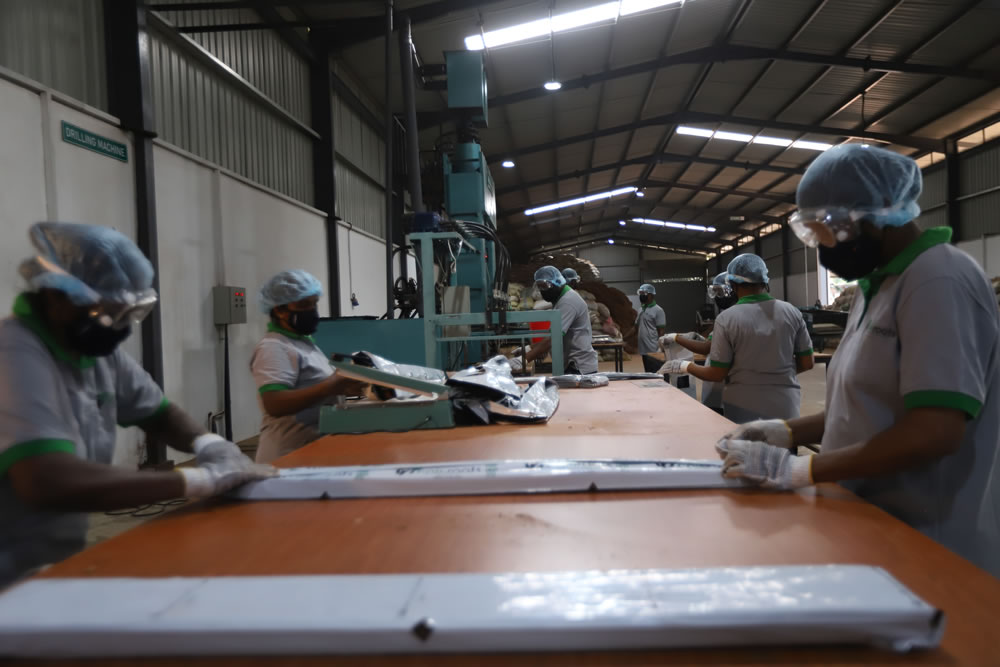
As global agriculture moves toward more sustainable and eco-friendly growing practices, coir based products have become one of the most sought after natural solutions for soil improvement, hydroponics and horticulture. Derived from the fibrous husk of the coconut, coir offers exceptional water retention, aeration and biodegradability making it an ideal substitute for peat and synthetic substrates. If you’re planning to import coir based growing media or related products for your agricultural operation, here are some key factors you should know before you begin. 1. Understand the different types of Coir Products Coir is available in various processed forms, each serving a unique agricultural purpose: Selecting the right product depends on your crop type, irrigation system and environmental conditions. 2. Choose the right supplier based on Quality and Price When selecting a coir supplier, price should never be the only deciding factor. High quality coir directly impacts crop performance, so importers should evaluate suppliers on both product consistency and processing standards. Before placing an order, it’s important to: Request product samples and technical data sheets to evaluate EC, pH and fibre content. Conduct a detailed costing analysis including product price, freight, import duties and inland logistics to assess the true landed cost. This ensures that your investment balances both cost efficiency and product performance, a key factor for agricultural operations where substrate quality influences yield outcomes. 3. Check for quality standards and certifications before placing the order When importing, always verify that your supplier complies with international standards. Quality assured coir should meet the right EC (electrical conductivity) and pH balance levels to ensure safe use for plants. Look for certifications such as: These standards ensure your coir is free from contaminants, salinity and harmful pathogens crucial for export compliance and crop safety. 4. Consider moisture and packaging specifications Coir products must be shipped at the correct moisture content (usually below 20%) to avoid microbial growth during transit. Proper compressed packaging not only reduces shipping costs but also ensures easy storage and handling upon arrival. Opt for suppliers who use biodegradable or recyclable materials for packaging to align with sustainability goals. 5. Review shipping, documentation and customs requirements Importing agricultural substrates requires attention to phytosanitary documentation, country specific import permits and certificate of origin compliance. Before placing large orders: 6. Evaluate supplier reputation and production practices The coir industry is heavily dependent on raw material quality and processing consistency. Partner with manufacturers who: Choosing the right supplier not only guarantees performance but also builds long-term reliability for your agricultural operations. 7. Understand storage and usage conditions After importation, coir should be stored in a dry, shaded area to maintain its integrity. When using, always rehydrate and buffer the material according to the manufacturer’s instructions. Proper handling ensures optimal plant growth and nutrient absorption. 8. Think long term: Sustainability and Circular economy Beyond crop performance, importing coir based solutions supports a circular economy, transforming what was once a coconut waste by-product into a high value agricultural input. By choosing responsibly sourced coir, you’re contributing to reduced peat extraction, lower carbon emissions and the empowerment of coconut farming communities in producing countries like Sri Lanka and India. Final Thoughts Coir-based growing media represent the future of sustainable agriculture offering a renewable, high-performance alternative to traditional substrates. For importers, success lies in selecting certified suppliers, understanding product variations and ensuring compliance with international trade and agricultural standards. Whether for commercial greenhouses, organic farming or landscape restoration, importing coir solutions can help you grow smarter, greener and more responsibly. Looking to source premium Coir Solutions? Partner with CoirRoots, one of Sri Lanka’s trusted coir exporters committed to providing high-quality, certified and sustainable coir-based products for agriculture and horticulture. Whether you’re a first-time importer or a large scale buyer, you’ll experience the quality, reliability and ease of doing business that set CoirRoots and Sri Lanka apart. Our team will support you through every stage, from product selection and documentation to shipment and delivery ensuring a smooth and confident importing experience. Email: [email protected] Website: www.coirroots.com
How to Successfully Import Coco Coir from Sri Lanka to Germany: A Step by Step Guide

Germany is rapidly moving toward peat free and sustainable growing media solutions. With increasing environmental regulations and demand for organic substrates, coco coir from Sri Lanka has become one of the most reliable and eco-friendly alternatives for German growers and distributors. If you are planning to import coco coir into Germany, understanding the process, compliance requirements and supplier selection is essential. This guide walks you through everything step by step. Step 1: Understand the German Market Requirements Before placing an order, clearly define: Germany has strict quality and sustainability standards. Many buyers require: OMRI certification, GMP standards, ISO certification, Clear documentation of origin, Sustainable production practices, etc. Being precise at this stage avoids costly corrections later. Step 2: Negotiate Pricing and Evaluate Product Quality Once you clearly understand your product requirements, the next critical step is negotiating pricing while thoroughly evaluating product quality. Germany imports a wide range of coir based agricultural products from Sri Lanka, including: Coco peat blocks, Buffered cocopeat, Washed cocopeat, Coco coir, grow bags, Open top grow bags, Coco coir slabs, Coir chips, Coco coir discs, Coir pith briquettes, Coir fibre bales and Coir based potting mix. When negotiating price, avoid focusing only on the lowest quotation. Instead, consider: Request: A slightly higher unit price with consistent quality often results in better crop performance, fewer complaints and stronger long-term margins. For German importers especially, quality consistency is critical, as greenhouse growers and organic retailers expect uniform performance across every batch. Step 3: Choose a Reliable Sri Lankan Supplier Sri Lanka is one of the world’s largest producers of high quality coco coir. However, not all suppliers maintain consistent export standards. When selecting a supplier, check: Always request samples before confirming bulk orders. Testing the product in German growing conditions ensures compatibility with your crops and climate. Step 4: Plan According to Harvesting & Production Cycles Coco coir production depends on coconut harvesting cycles. To avoid delays: Strategic timing ensures stock availability during peak agricultural periods in Germany. Step 5: Understand Import Documentation for Germany For smooth customs clearance, ensure the following documents are provided: Working with an experienced freight forwarder familiar with EU agricultural imports simplifies this process. Step 6: Calculate Full Landed Cost Before Ordering Do not evaluate suppliers based on product price alone. You must calculate: A proper costing exercise helps you compare suppliers fairly and protect your margins. Step 7: Container Loading & Logistics Most coco coir shipments are transported via 40ft high cube containers. Ensure: Shipping time from Sri Lanka to Germany typically ranges between 4–6 weeks depending on routing. Step 8: Build a Long-Term Supply Partnership Successful importing is not about one container. It is about consistency, reliability and communication. A strong Sri Lankan supplier should: Why Germany Is Increasingly Choosing Sri Lankan Coco Coir As Germany accelerates its transition to environmentally responsible growing media, Sri Lankan coco coir continues to be a trusted solution. Importing coco coir from Sri Lanka to Germany can be a smooth and profitable process when handled correctly. By selecting the right supplier, understanding documentation, planning production timing and calculating full landed costs, you can build a reliable and sustainable supply chain.