Transitioning to Peat Free Growing Media
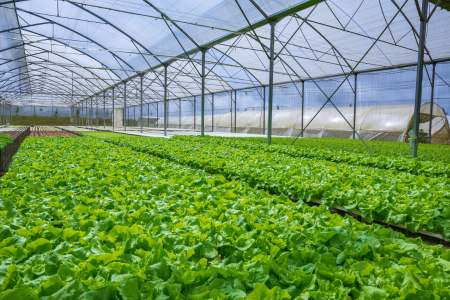
Across the global horticulture industry, one of the most significant operational shifts in decades is underway, the decisive move away from harvested peat moss toward peat free growing media. Driven by environmental regulations, retail supply chain mandates and the need for more resilient root zone performance, commercial nurseries, greenhouse operators and substrate blenders worldwide are rethinking how they grow. However, transitioning away from peat is not merely an environmental compliance exercise, it is an agronomic decision that directly impacts water management, nutrient uptake and crop profitability. Understanding why peat is being phased out and why triple washed, buffered Sri Lankan coconut coir stands as its most reliable commercial replacement gives growers a clear competitive advantage. Why the Horticulture Industry Is Moving Away from Peat Moss For decades, sphagnum peat moss served as the default substrate for commercial plant production. Yet its long term viability has come under intense scrutiny across major agricultural markets in the United Kingdom, the European Union, North America and Asia-Pacific. Environmental degradation and carbon release – peatlands are among the planet’s most vital carbon sinks, storing more carbon per hectare than tropical rainforests. Extracting peat drains fragile wetland ecosystems, destroys biodiversity and releases centuries of locked carbon back into the atmosphere. How the European market is changing: Policy shifts, covenants and extraction limits across Europe, a patchwork of national restrictions, industry covenants and retail mandates is steadily reshaping substrate sourcing. In the United Kingdom, DEFRA has signalled clear intentions to ban sphagnum peat even where formal legislation remains pending while major retailers and institutions such as the Royal Horticultural Society (RHS) enforce strict peat free standards. Ireland has enforced restrictions on sphagnum peat extraction since 2022 despite having no formal ban on its end use, while Germany has placed targeted restrictions on sphagnum peat extraction across key areas. Meanwhile, the Netherlands has established a formal industry covenant to reduce environmental impact and expand renewable growing media, Norway is pursuing national ambitions aimed at sphagnum peat reduction and Switzerland having halted sphagnum peat extraction entirely is actively driving toward a fully peat free consumer market. Together, these measures signal an irreversible European transition toward renewable alternatives. Supply chain vulnerability and rising costs as extraction permits shrink and environmental levies increase, peat moss has become subject to tighter supply quotas, seasonal harvesting bottlenecks and rising landed costs. Forward thinking growers are diversifying their substrate inputs now rather than waiting for sudden supply disruptions. How Coir Outperforms Peat in Commercial Production – the Agronomic Reality Many growers initially hesitate to transition away from peat due to concerns about altering established irrigation and fertilisation routines. In practice, high grade coconut coir resolves several inherent physical limitations of peat moss. What Makes Coir Truly “Commercial Grade”? Not all peat free alternatives or even all coir products deliver the same results. Wood fibre and composted bark often suffer from severe nitrogen drawdown (locking up nutrients meant for the crop), while poorly processed coir can introduce excess salts into the root zone. To ensure a seamless, risk free transition to peat free production, commercial growers must source substrate engineered to strict laboratory standards. The CoirRoots Peat Free Substrate Range As a dedicated Sri Lankan manufacturer, CoirRoots supplies commercial growers, substrate blenders, and agricultural distributors worldwide with certified, peat free growing media backed by single origin traceability. Partner with CoirRoots for your Peat Free transition Moving to peat free growing media is no longer a future consideration, it is the new global benchmark for sustainable, high yield horticulture. By partnering directly with a primary Sri Lankan manufacturer like CoirRoots, growers and distributors eliminate middleman markups, secure consistent batch-to-batch quality and gain a reliable supply of clean, renewable substrates built for modern agriculture. To discuss custom peat free substrate specifications, request laboratory technical data sheets or arrange container load supply agreements, connect with the CoirRoots team directly.
A Complete Guide to OEM Co-Packing and Private Labelling with Sri Lankan Manufacturers
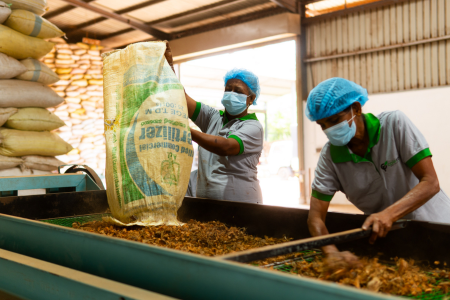
For agricultural input distributors, horticultural wholesalers and garden centre suppliers, reselling generic, unbranded growing media carries a clear commercial limitation. When buyers view a product as an interchangeable commodity, purchasing decisions default to the lowest price. Building Your Own Substrate Brand To build lasting customer loyalty, protect profit margins and differentiate in competitive regional markets, leading agricultural suppliers are shifting toward OEM (Original Equipment Manufacturer) co-packing and private labelling. Partnering directly with a certified Sri Lankan coconut coir manufacturer allows distributors to launch or scale their own proprietary substrate brand backed by single origin quality and factory gate economics, without the capital burden of operating an overseas processing plant. Why private labelling is transforming agricultural distribution Launching a proprietary substrate line shifts a distributor’s market position from a replaceable middleman to a trusted technical brand. Why Sri Lanka Is the Premier Hub for Coir OEM Partnerships Not all coir producing regions offer the raw material consistency or processing infrastructure required for commercial private labelling. Sri Lanka remains the global benchmark for high grade horticultural coir due to several structural advantages: What Can Be Customised in an OEM Co-Packing Agreement? A comprehensive OEM co-packing partnership with a primary manufacturer like CoirRoots extends far beyond simply printing a logo on a bag. Every physical, chemical and packaging parameter can be tailored to match your market’s exact technical specifications: 1. Bespoke substrate formulations 2. Precision sizing and greenhouse compatibility 3. Packaging, UV protection and retail presentation Step-by-Step how the CoirRoots OEM process works Launching a private label substrate line follows a structured, transparent workflow designed to eliminate guesswork and protect product quality. Launch Your Private Label Substrate Line with CoirRoots Whether you are an established agricultural distributor expanding your product catalogue or a regional supplier building a dedicated horticultural brand, CoirRoots provides the manufacturing precision, laboratory quality control and flexible co-packing capabilities to bring your vision to market. To request OEM specification sheets, discuss minimum order quantities (MOQs) or evaluate custom substrate samples, connect directly with the CoirRoots team.
Rewriting the Rules of Modern Farming Across Asia
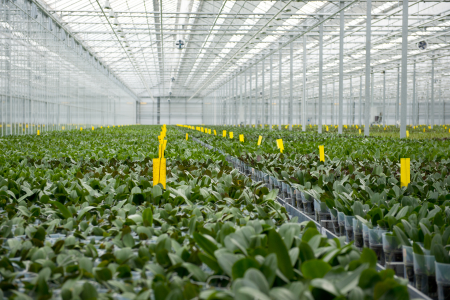
Controlled Environment Agriculture (CEA) is fundamentally reshaping the future of food production across East and Southeast Asia. Driven by climate volatility, rapid urbanisation and soil degradation, commercial producers are stepping away from traditional field agriculture. Modern CEA facilities in Japan, South Korea and Taiwan are also establishing global benchmarks for automated, soil free cultivation. Simultaneously, fast scaling agricultural hubs in Vietnam, Thailand and Malaysia are adopting advanced hydroponics at scale. At the core of this regional transition is a shared technical operational mandate, transitioning from unmanaged soils to high purity, low salinity growing media. The Tech Pioneers, Precision Substrates in Japan, South Korea, and Taiwan In hightech markets like Japan, South Korea and Taiwan, commercial growers operate under tight land constraints and demanding consumer quality standards. The Asian CEA Substrate and Technology Spectrum Hightech Advanced Markets Japan, South Korea, Taiwan Fast Scaling Agritech Hubs Vietnam, Thailand, Malaysia Closed-loop glasshouse and plant factoriesPrecise root-zone fertigationLow EC (<0.5 mS/cm) requirementFocus: High value ornamentals, specialty berries, vine crops High-altitude poly-tunnels and tabletop hydroponic systemsSoil-pathogen mitigation focusRapid transition to substrate grow bagsFocus: Strawberries, tomatoes, peppers, melons Growers in these regions rely heavily on automated drip fertigation systems that demand complete control over root zone chemistry. Standard field soil or unwashed media introduces variable salt levels and pathogen risks that disrupt precise nutrient formulas. To achieve maximum yields per square metre, facilities across Taiwan, South Korea and Japan utilise triple washed, calcium buffered coco coir grow bags. Maintaining a consistently low Electrical Conductivity ($\text{EC} < 0.5 \text{ mS/cm}$) ensures that sensitive crop roots absorb critical nutrients such as calcium and nitrate, without facing osmotic stress or salt burn. Scaling up the Hydroponic Shift in Vietnam, Thailand and Malaysia In Southeast Asia’s primary agricultural centers, the adoption of high performance soilless media is expanding rapidly. Why Substrate Quality Defines CEA Success Across all six markets, commercial success in CEA comes down to three technical parameters in the root zone: As agricultural operators across Taiwan, Malaysia, Thailand, Vietnam, South Korea and Japan continue to modernise, standardised, high-purity coir substrates serve as the reliable foundation driving Asia’s modern farming revolution. While high-tech Controlled Environment Agriculture (CEA) is rapidly accelerating across East Asia, the majority of farming across South Asia and Southeast Asia still relies on conventional agriculture (open-field soil cultivation). Smallholder farmers in regional agricultural belts across India, Indonesia, the Philippines, Myanmar and Cambodia continue to depend on traditional soil beds, seasonal weather cycles and open-air practices due to low capital entry barriers and established local farming infrastructure. In these traditional soil systems, growers often utilise raw or unwashed coir dust purely as a cheap, localised soil amendment to increase moisture retention and organic matter, rather than deploying high-spec, low-EC substrates engineered for precision hydroponic closed loops. As Asian agriculture pivots towards precision, high purity coir substrate remains the vital bridge between traditional soil farming and modern hydroponic systems. By guaranteeing low salinity, optimal aeration and pathogen free root zones, CoirRoots, Sri Lanka equips growers across East, Southeast and South Asia to eliminate soil risks and maximise total yield per square metre.
Why Low EC and Triple washing matter for Chinese CEA operators
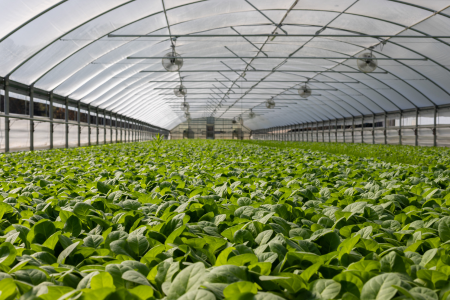
China leads global facility horticulture, operating thousands of hectares of hightech glasshouses, solar greenhouses and indoor vertical farms. As the country accelerates its transition from traditional soil farming to Controlled Environment Agriculture (CEA), substrate performance has become a major factor in farm profitability. Among soilless media, imported coco coir has emerged as a top substrate. However, Chinese CEA operators increasingly realize that raw coir is not plug-and-play. High performing facilities now require Low Electrical Conductivity(EC) and triple washed coir. Raw coconut husks naturally accumulate sodium ($Na^+$) and potassium ($K^+$) salts. Without thorough processing, these background salts create high Electrical Conductivity ($EC$), leading to osmotic stress, root tip burn and nutrient blockages. Triple washing and calcium buffering remove these unwanted ions, giving commercial growers full control over their fertigation recipes. Understanding why low EC, triple washed substrates are essential requires looking at how they impact China’s primary modern agricultural sectors. 1. High Value Vine Crops in Major Agricultural Hubs The largest agricultural regions in China, such as Shandong Province and Liaoning Province, host vast concentrations of multi-span glasshouses and commercial solar greenhouses. Operations in these provinces focus on long cycle, high yield vine crops: In these long season crops, high EC substrate causes salts to build up in hydroponic gutters over time. Triple washed coir provides an inert foundation, ensuring that automated drip fertigation delivers balanced ratios of calcium, magnesium and nitrogen directly to the root zone without background salinity interference. 2. Urban Vertical Agriculture Around Tier 1 Megacities Hightech hydroponic facilities and multi story vertical farms are rapidly expanding around major tier 1 cities, including Beijing, Shanghai, Guangzhou and Shenzhen. Driven by demand for fresh, local and pesticide free produce, these facilities prioritize crop rotation speed and high yields per square metre. These leafy greens have short harvest windows (often 20 to 30 days) and delicate root systems. Young seedlings and plugs exposed to high salinity substrate suffer osmotic shock, leading to slow growth and poor crop uniformity. Low EC, triple washed coir ensures immediate seed germination and fast root establishment, keeping harvest schedules on track. 3. High Density Soft Fruit Parks in Yunnan Province Strawberries and blueberries are seeing the highest growth rate in commercial investment across modern Chinese agricultural parks, particularly in Yunnan Province. The region’s climate makes it an ideal hub for high density, elevated tabletop berry farming. Soft fruits are among the most salt sensitive crops in commercial agriculture. Blueberries require a low EC environment ($EC < 0.5 \text{ mS/cm}$) and an acidic root zone. High sodium levels in unbuffered coir displace the calcium needed for firm fruit, causing root tip burn, soft berries and reduced shelf life. Triple washed, buffered coir protects root systems and helps maximize fruit quality for premium retail markets. The Operational Advantage for Chinese Facilities For Chinese CEA operators, using low EC, triple washed coco coir is a core risk management strategy. Eliminating background salinity gives growers complete control over plant nutrition, reduces disease risks and supports maximum yields across every square metre of production space.
Coco Coir Precision Agriculture Solutions for European Hydroponic Farms
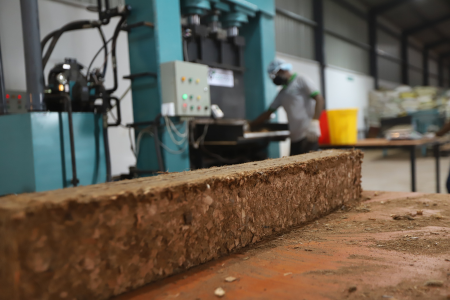
As the European agricultural landscape enters a period of intense regulatory transition, hydroponic growers are facing a dual challenge maintaining high yields while adhering to the European Union’s ambitious sustainability mandates. With national goals in countries like Germany and the United Kingdom targeting a 100% reduction in peat use for the professional sector by 2030, the search for a functionally equivalent, economically viable alternative has concluded at the coconut husk. CoirRoots provides the high-performance coco coir substrates necessary for this transition, offering European hydroponic farms a seamless bridge from traditional mediums to the future of precision agriculture. Why Europe is Moving to Coir The traditional dominance of peat moss and mineral wool in European greenhouses is being challenged by two primary factors: environmental legislation and resource efficiency. 1. Navigating the Peat BanPeat extraction is increasingly recognized under the EU LULUCF Regulation due to its high carbon cost. As member states account for emissions from land-use changes, coco coir has emerged as the premier renewable alternative. Unlike peat, which takes millennia to form, coir is a byproduct of the existing coconut industry, making it a circular economy success story. 2. Superior Root Zone ManagementIn large-scale hydroponic facilities particularly those exceeding 50,000 sq. ft. uniformity is the key to profitability. CoirRoots substrates offer: CoirRoots Commercial Range Engineering the Perfect Mix Standardisation is the greatest hurdle in the coir supply chain. CoirRoots addresses this through rigorous processing in Sri Lanka, ensuring that the electrical conductivity (EC) and sodium levels are tailored for sensitive European hydroponic crops. Custom Blends and Formats Every crop has a unique “thirst” and “breath” profile. We provide tailored chip-to-pith ratios to match your irrigation strategy: Economic Resilience in a Volatile Market In 2026, global supply chain resilience is a core business metric. By sourcing from CoirRoots, European farms secure a stable, year-round supply of growing media that is unaffected by the seasonal restrictions of peat harvesting. Furthermore, the durability of high-quality coir allows for multi-cycle use. After the primary crop is harvested, the structural integrity of our fibres remains intact, allowing for secondary crops or repurposing as a high-value soil conditioner minimizing landfill costs and closing the loop on farm waste. Secure Your Future Harvest As European mandates tighten and consumer demand for “residue-free” and “peat-free” produce grows, your choice of substrate becomes a competitive advantage. CoirRoots is committed to being the technical partner that helps European hydroponic farms achieve peak performance in a sustainable era. Consult with our Technical Team – Ready to transition your facility to high-performance, sustainable substrates? Reach out for custom specifications and bulk logistics support. Call or Whatsapp +94 77 744 2112 | Email [email protected] | www.coirroots.com
Is Your Inventory Ready for the ‘Torf-frei’ Mandate?

The Strategic Transition for German Substrate Wholesalers Across Germany, the horticultural supply chain is undergoing its most significant shift in decades. The federal government’s Torfminderungsstrategie (Peat Reduction Strategy) is no longer a distant goal, it is a concrete timeline. With the 2026 milestone for the hobby sector and the 2030 mandate for professional horticulture fast approaching, the German market is moving toward a “Torf-frei” (peat-free) future. For wholesalers and B2B distributors, the question is no longer if you should diversify your inventory, but how quickly you can secure a high-performance alternative that meets the rigorous standards of your clients. Why ‘Torf-frei’ is Mandatory (The Regulatory Pressure) The German mandate is driven by the urgent need to protect peatlands, which serve as the planet’s most efficient terrestrial carbon stores. As extraction permits in Lower Saxony and other key regions expire, the domestic supply of peat is shrinking. Wholesalers who rely solely on traditional peat-based mixes face significant risks: Coco Coir as the Professional Standard – The Solution To maintain the high yields that German growers expect, the industry has turned to Coco Coir (Cocopeat). Unlike other organic alternatives, high-quality coir offers a physical structure and air-filled porosity that closely mimics and in many cases, exceeds the performance of peat. Why CoirRoots is the ideal “Torf-frei” partner for wholesalers: 1. Professional growers require a stable pH and low Electrical Conductivity (EC). CoirRoots substrates undergo rigorous washing and buffering processes to ensure every shipment meets the exact specifications required for sensitive hydroponic and greenhouse crops(Technical Consistency). 2. In a high-cost logistics environment, our compressed formats are a game-changer. A single container of CoirRoots 5kg blocks expands to eight times its volume, allowing wholesalers to maximize warehouse space and reduce shipping-related carbon footprints(Logistical Efficiency). 3. Unlike peat, which takes centuries to form, coco coir is a byproduct of the existing coconut industry. Partnering with CoirRoots ensures a 365-day-a-year supply chain that is immune to the seasonal and regulatory restrictions of peat harvesting (Renewable Reliability). The “Future-Proof” Inventory A resilient wholesale inventory in 2026 must be built on versatility. By integrating CoirRoots into your catalog, you are providing your B2B clients with the tools they need to navigate the ‘Torf-frei’ mandate: Secure Your Position in the New Green Market The transition to peat-free horticulture is an opportunity to lead. Wholesalers who act now to secure high-quality, sustainable substrates will be the ones who define the German agricultural landscape for the next decade. Is your inventory ready for the shift? Transitioning to CoirRoots ensures that your business stays compliant, your growers stay productive and your margins stay protected in a peat-free world. B2B Procurement & Technical Support Ensure your inventory is mandate-ready. Contact CoirRoots today for bulk logistics, technical data sheets and custom substrate formulations. Call or Whatsapp +94 77 744 2112 | Email [email protected] | www.coirroots.com
Why German Growers are Transitioning from Open Fields to Coir Grow Bags
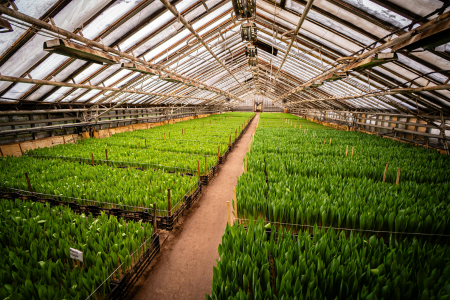
The agricultural landscape in Germany is undergoing a swift, structural transformation. Across major growing regions from Lower Saxony and North Rhine-Westphalia to the southern plains of Bavaria-traditional open field cultivation is steadily being replaced by modern, elevated undercover systems. Commercial growers are rapidly moving away from the soil, transitioning high value crops into protected environments and planting directly into coco coir grow bags. Faced with increasingly unpredictable weather patterns, soaring domestic labour costs and strict environmental mandates regarding peat reduction and soil protection, this shift has become an operational necessity for commercial survival. While soft fruits like strawberries were early adopters of this methodology, the transition has expanded rapidly across a broad spectrum of crops, including raspberries, blackberries, blueberries, tomatoes, bell peppers, cucumbers, and aubergines. For agricultural wholesalers and substrate distributors, this widespread move towards Controlled Environment Agriculture (CEA) represents one of the most lucrative, high volume market segments in modern European horticulture. 1. De-risking Agriculture Against Volatile Climate Patterns Traditional open field farming in Germany has always been a gamble against nature. Extreme weather events are no longer anomalies; sudden late spring frosts, intense summer hailstorms and periods of prolonged drought are actively disrupting seasonal yields. Controlled Environment Insurance By moving crops into polytunnels or high-tech glasshouses and utilising coco coir grow bags on elevated gutter or tabletop frames, commercial growers successfully decouple their production from environmental volatility: 2. Maximising Labour Efficiency and Yield Quality Harvesting traditional ground crops is a physically demanding, back-breaking task that relies heavily on manual seasonal labour. With Germany’s statutory minimum wage increases and a shrinking pool of available seasonal workers, ground farming is hitting an economic ceiling. By lifting the root zone to waist height in structured grow bags or using vertical gutter systems for vining vegetables growers unlock massive operational efficiencies: 3. Precision Root Zone Management with Premium Coir Intensive, high density cultivation requires absolute control over the root zone. Diverse crops have distinct structural and chemical requirements, but all plants grown in automated hydroponic loops require a flawless balance of consistent moisture and high oxygen access, alongside absolute freedom from soil pathogens. This is where the technical engineering of CoirRoots grow bags provides a superior foundation as the most preferred importer in Asian region: Future Proofing the German Wholesale Portfolio As the German government enforces its Torfminderungsstrategie to completely phase out peat moss in professional horticulture and as chemical soil treatment regulations tighten, coco coir stands out as the ultimate eco-friendly, fully renewable substrate. It allows German growers of fruits and vegetables alike to satisfy demanding environmental criteria without sacrificing their economic output per square metre. Wholesalers who pivot their inventories to offer high specification, professional grade coir grow bags are positioning themselves to capture a highly resilient, long-term B2B market across the entire commercial farming sector. Import from CoirRoots for High-Yield Commercial Success – We engineer custom blended grow bags, open top planter bags and compressed blocks calibrated precisely for the strict standards of commercial European growers. Contact our B2B export desk today for technical datasheets and volume container pricing. Call or WhatsApp: +94 77 744 2112 | Email: [email protected] | Web: www.coirroots.com
Ultimate Substrate for High Density CEA and Hydroponic Gutters
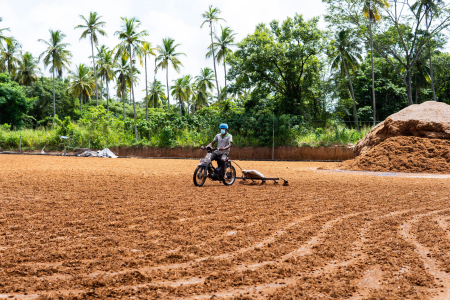
In the high takes arena of modern Controlled Environment Agriculture (CEA), efficiency is measured by the millimetre and the minute. As commercial greenhouse facilities across Europe, North America and Asia push for maximum output per square metre, the infrastructure of choice has shifted decisively towards automated hydroponic gutters and vertical high density layouts. However, high density cultivation intensifies the pressure on the root zone. In closed loop, automated irrigation systems, any variation in substrate quality can result in widespread crop failure. For commercial growers and wholesale distributors navigating this high precision environment, CoirRoots engineered coco coir solutions offer the physical stability, chemical uniformity and operational reliability required to sustain peak yields. 1. Structural Integrity in Hydroponic Gutters High density gutter systems, frequently utilised for tomatoes, cucumbers and peppers rely on continuous, precisely timed irrigation cycles. Traditional substrates like peat or inferior coir blends can easily compact over a long growing season. This compaction collapses critical air pockets, leading to waterlogging and root asphyxiation. The CoirRoots Advantage: Optimised Air-Filled Porosity (AFP) – CoirRoots products are manufactured with specific, uniform chip-to-pith ratios. This custom balancing ensures a resilient matrix of micro channels that maintains a steady 20% to 25% air capacity, even when fully saturated. Resistance to Degradation – Our premium grade coco coir fibres are structurally stable. They do not break down or sludge in the gutters over multi cycle seasons, preventing drainage blockages and ensuring uniform moisture distribution from the first plant in the row to the last. 2. Chemical Uniformity: Navigating Automated Feeding Regimes In high density CEA, plants are fed via highly precise drip irrigation loops where the Electrical Conductivity (EC) and pH of the nutrient solution are strictly managed. Raw or poorly processed coconut coir naturally contains high levels of sodium and potassium ions, which can lock out essential nutrients like calcium and magnesium. The CoirRoots Advantage: Precision Washing and Buffering – CoirRoots substrates undergo a rigorous, multi stage triple washing process at our state-of-the-art facilities in Sri Lanka. We reduce the natural sodium and chloride levels to safe, trace amounts ($EC < 0.5 ms/cm$). Stable pH Foundation – With a stable native pH of 5.7 to 6.5, CoirRoots aligns perfectly with commercial hydroponic formulations, removing the need for aggressive chemical corrections and saving growers significant input costs on pH regulators. 3. Logistical and Safety Buffers for Scaled Operations A single crop failure in a high density vertical farm or commercial greenhouse can result in hundreds of thousands of Euros in lost revenue. Substrate sterility and resource buffers are critical operational safety nets. THE COIRROOTS PERFORMANCE MATRIX Substrate Property Benefit to High-Density CEA High Water Holding Capacity (WHC) 10x moisture retention protects crops during pump or power failures Low Sodium & Chloride Ions Eliminates nutrient lock-out; ensures rapid calcium uptake Compressed 1:8 Expansion Ratio Reduces warehouse footprint and bulk shipping carbon emissions Natural Pathogen Resistance – Unlike soil or substandard organic mediums, CoirRoots substrates are naturally sterile and highly resistant to root rot, Pythium and other soil-borne pathogens. This is a vital safeguard in high density facilities where plants share a common drainage gutter. The Moisture Buffer – CoirRoots coco coir can retain up to ten times its dry weight in water. If a facility experiences an automated pump malfunction or a brief power failure, the substrate holds a vital reserve of moisture, keeping the root zone hydrated and preventing sudden crop wilting. Future Proofing Commercial Hydroponics As international regulations tighten around the use of peat moss and the carbon footprints of synthetic rockwool disposal grow, coco coir stands out as the only truly circular, renewable alternative. By integrating CoirRoots into automated high density gutter systems, commercial operations achieve a dual victory – absolute precision over their crop nutrition and compliance with the highest global sustainability standards. Importing from Asia high quality supplier CoirRoots for High-Yield Commercial Success – We specialise in supplying high volume, custom blended grow bags, open-top planters and compressed blocks for commercial hydroponic projects worldwide. Contact our commercial export team for technical data sheets and container load pricing. CoirRoots Sri Lanka: Call or WhatsApp: +94 77 744 2112 Email: [email protected] Web: www.coirroots.com
How Coco Peat is Fueling the GCC’s $3.8 Billion Agri-Tech Expansion
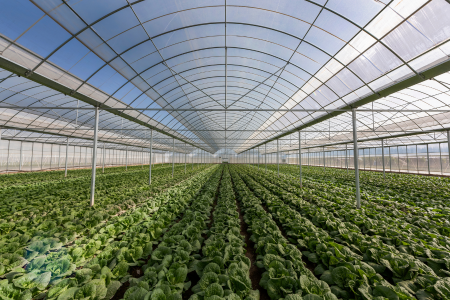
Across the Gulf Cooperation Council (GCC) from the hightech agricultural hubs of the United Arab Emirates and Saudi Arabia to Qatar, Kuwait and Oman, a quiet agricultural revolution is underway. Faced with hyper-arid desert climates, rapidly depleting groundwater reserves and a historical reliance on importing up to 90% of their food supply, GCC nations are making massive investments in Controlled Environment Agriculture (CEA), high density glasshouses and vertical farms. Backed by national frameworks like the UAE Food Security Strategy 2051 and Saudi Vision 2030, the region’s agri tech market is expanding toward a projected $3.8 billion valuation. The objective of this sovereign backed expansion is clear, localise fresh produce production using minimal water and land. However, desert soil is completely uncultivable for high intensity commercial farming. To achieve high yields, regional mega farms have turned to aggregate hydroponic systems. At the heart of this multi billion dollar transition is coco peat (coir substrate) the natural engine powering the Gulf’s indoor farming boom. 1. Slashing water consumption in Arid Environments Water scarcity is the single greatest bottleneck for agriculture in the Middle East. Traditional open field flood or overhead irrigation leads to rapid evaporation under severe summer heatwaves, wasting vital desalinated or groundwater resources. The 30% moisture cushion Hydroponic systems already cut overall water consumption by up to 90% compared to open field soil farming. Integrating high grade coco peat into these systems maximises these savings even further. 2. Protecting crops against extreme desert heatwaves In climate controlled glasshouses across the Gulf, outdoor summer temperatures routinely surpass 45°C. If an automated drip pump fails or a power surge occurs during peak hours, crop root zones in synthetic media like rockwool can dry out within minutes, leading to immediate plant death. Rewetting and thermal insulation Hydrophilic resiliency – Unlike traditional peat moss which becomes hydrophobic (water repellent) when dry coco peat rewets instantly upon contact with water. If an irrigation delay occurs, the substrate absorbs fresh nutrient solutions immediately without channeling out of the drainage holes. Thermal root protection – Coir acts as a natural insulator, keeping root-zone temperatures cooler than the ambient glasshouse air during extreme heat spikes. 3. High aeration for maximum root health High density indoor farms in the GCC produce high value crops, including tomatoes, cucumbers, bell peppers, strawberries, leafy greens and microgreens. These plants demand constant oxygen at the root level to absorb nutrients effectively. Engineered coco peat mixes provide an optimal Air-Filled Porosity (AFP) of 20% to 25%. Even when fully saturated, the durable organic coir fibres preserve micro air pockets. This prevents root suffocation and root rot (Pythium), ensuring rapid plant growth cycles and year round harvesting. 4. Uncompromised quality control: Low EC and Natural Sterility In arid climate cultivation, salinity buildup is a constant risk. Raw or unbuffered coir contains natural sodium and potassium ions that can cause immediate nutrient lockout in sensitive crops. This is where the technical engineering of CoirRoots substrates becomes vital for commercial operations across the GCC. Fueling the next era of GCC food security As sovereign wealth funds and private investors accelerate the GCC’s $3.8 billion agri-tech expansion, the demand for standardized, high performance and sustainable substrates is at an all time high. By importing compressed, 1:8 ratio coir blocks and custom grow bags directly from Sri Lanka, GCC agricultural developers and wholesalers secure a lightweight, cost-effective and highly reliable foundation for their high tech facilities. Across the Middle East and GCC region, commercial growers and agricultural importers frequently refer to coco peat as coir pith or coir fibre pith. In local market channels, nursery networks and greenhouse supply chains, it is widely searched and traded under term like coconut peat moss, coconut soil, coir pith substrate, coir dust and organic coconut peat. Partner with CoirRoots for commercial GCC agri tech projects CoirRoots specializes in manufacturing and exporting custom blended grow bags, open-top planter bags and compressed 5kg blocks tailored for high tech indoor farms and commercial glasshouses worldwide. Contact our B2B export team for technical specifications and container load logistics. CoirRoots I Call or WhatsApp: +94 77 744 2112 I Email: [email protected] I Web: www.coirroots.com
Large Commercial Growers Focus Heavily on Crops That Offer High Yields
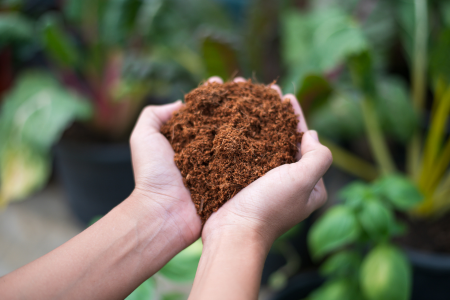
In modern Controlled Environment Agriculture (CEA), facility footprint comes at a premium. With high glasshouse capital expenditure, escalating energy costs and strict commercial contracts, large commercial growers focus heavily on crops that offer high yields per square metre. Maximum yield density is no longer just a production metric it is the primary driver of operational profitability. To secure maximum returns on every square metre, global greenhouse operators are aligning their crop selection with high-margin, fast rotating produce designed for automated gutter systems, tight harvest cycles and year round supply agreements. The primary vegetable categories driving demand among large scale growers include options structured for rapid turnarounds and consistent, year round pricing. 1. High value vine vegetables (Solanaceous and Cucurbit Crops) Fruit bearing vine crops remain the highest volume category for commercial greenhouse and glasshouse operations globally. Snack and specialty tomatoes Large growers are shifting away from standard bulk tomatoes to high margin specialty varieties,such as cherry tomatoes, truss tomatoes and cocktail tomatoes. These varieties command higher retail prices per kilogram and excel in elevated hydroponic substrate gutters. Mini and slicing cucumbers Cucumbers are a staple in commercial greenhouses due to their extremely fast growth cycles and high yield density. Mini/snack cucumbers, in particular, are seeing massive demand from supermarket chains. Bell peppers and aubergines (Eggplants) Valued for their long harvesting seasons and high thermal resistance under glass, coloured blocky peppers (red, yellow, orange) are a core focus for large commercial facilities across Europe and North America. 2. Leafy greens and culinary herbs Leafy greens dominate indoor farms, vertical farms and automated gutter systems due to their short crop cycles (often harvesting in as little as 20 to 30 days) and high water efficiency. Head lettuces and baby leaf mixes Romaine, butterhead and crisphead lettuces grown in automated NFT (Nutrient Film Technique) or floating raft systems. High margin culinary herbs Basil, coriander (cilantro), mint and parsley are seeing rapid demand growth from foodservice providers and retail chains due to their high profit margin per gram. Nutrient dense greens Spinach, kale and rocket (arugula) grown in clean, soil free environments to meet “ready to eat” supermarket standards. 3. High density soft fruits (Often categorised with veg crops) While technically fruits, soft berries are managed under the exact same technical infrastructure and supply contracts as greenhouse vegetables. Tabletop strawberries and bush berries Large growers across Europe, Australia and North America are transitioning en masse from open fields to tabletop hydroponic systems. Raspberries and blackberries are increasingly grown under cover to protect delicate yields from unseasonal weather and slash manual picking labour costs. 4. Key commercial drivers shaping this demand Retailer specifications Supermarket chains (such as REWE, EDEKA, Walmart, and Tesco) require 365-day supply agreements with strict aesthetic and zero pesticide criteria. Transition to soilless substrates Because soil carries high pathogen risks and faces strict chemical bans, large growers are cultivating these crops almost exclusively in sterile, high porosity grow bags (such as engineered coco coir). This ensures precise nutrient delivery and avoids root zone diseases. Labour and picking automation Growers are prioritising crops with crop architecture suited for waist height or chest height gutters, allowing workers or automated harvesting robotics to double picking speeds compared to ground farming. Large scale growers looking to optimise their Controlled Environment Agriculture (CEA) operations can work with CoirRoots Sri Lanka as a reliable partner for high quality coco coir growing media solutions. With a focus on supplying professionally processed, high performance coco coir substrates, CoirRoots supports commercial growers in achieving improved root development, efficient water management and consistent crop performance across greenhouse and hydroponic systems. By combining sustainable Sri Lankan coco coir expertise with the technical requirements of modern agriculture, CoirRoots helps growers build reliable, scalable and productive growing environments for high value crops such as tomatoes, cucumbers, peppers, leafy greens and berries.